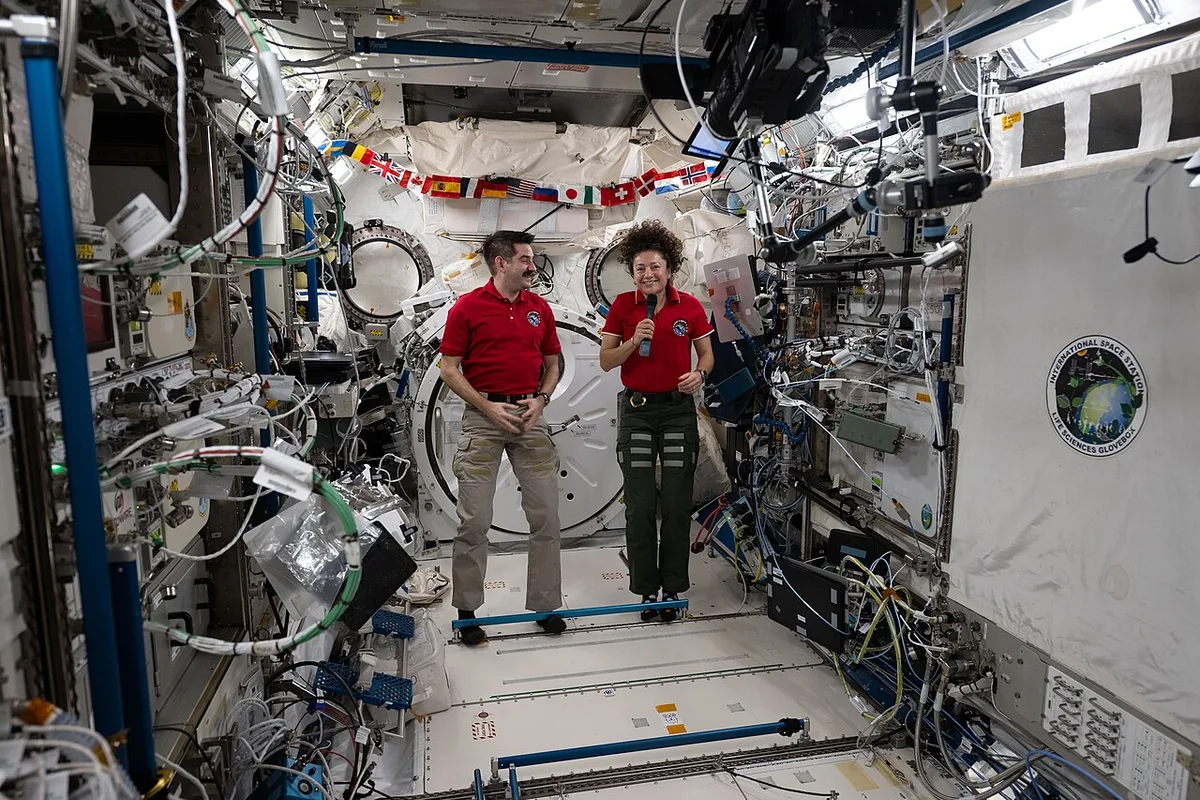
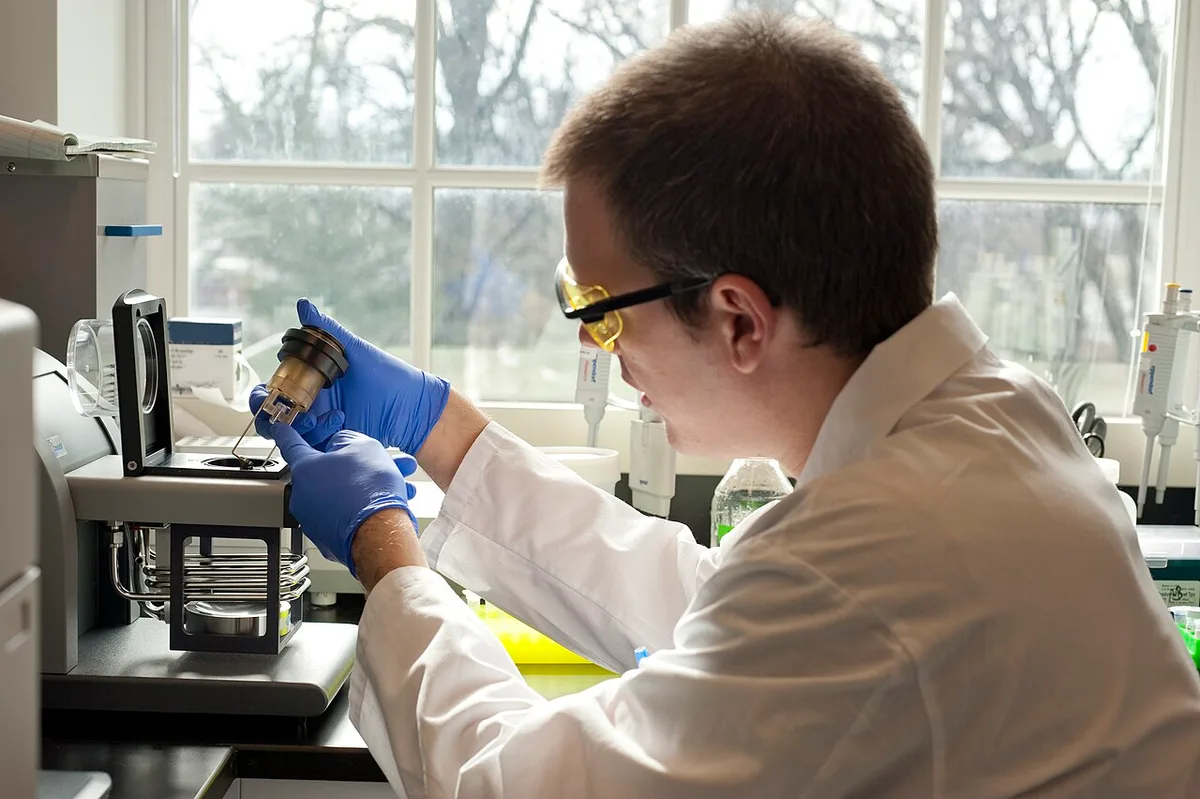
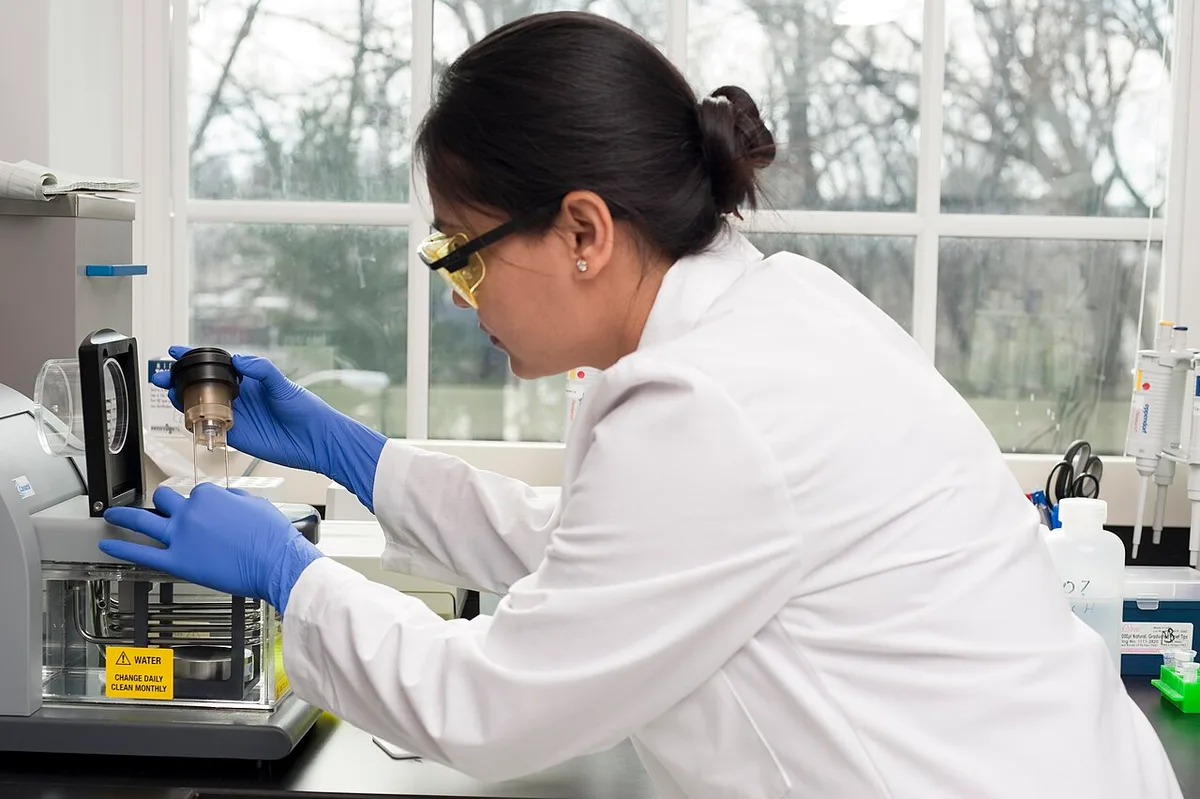
A Membrane for Space Gardens Has to Let Roots Through and Keep Water In
ESA’s hydroponic membrane experiment reveals why a small biological interface can determine the usefulness of an entire growing system.
Explore science through original explanations, source-backed reporting, and practical analysis.
ESA’s hydroponic membrane experiment reveals why a small biological interface can determine the usefulness of an entire growing system.
ESA’s cold-atom vacuum-system work shows how quantum sensing moves from a specialist laboratory toward practical spacecraft hardware.
Research discussed by ESA examines reusable shock absorbers, bringing materials processing and repeatable touchdown performance into the same problem.
NASA’s icing-tunnel instrumentation work shows why reproducing a hazardous cloud is itself a difficult measurement problem.
MIT’s modular structural-origami research shows how a flat sheet can become a rigid shell, while leaving real construction requirements to be proved.
NASA’s anniversary flight update separates proving an experimental aircraft’s operating envelope from validating the sound it is intended to produce.
Perseverance’s recent dust study shows how a calibration target can become evidence about particle adhesion, materials and future exploration equipment.
CERN’s latest beauty-particle result offers a useful lesson in rare-event detection, statistical evidence and why agreement with theory can still be important.
MIT Lincoln Laboratory’s field tests show why under-ice communication needs realistic conditions, independent vehicle tracking and clearly defined data-rate claims.
A recent MIT spinout profile raises the practical questions behind recycled structural composites: feedstock consistency, long-term behavior and application-specific evidence.
MIT’s printed concrete bridge study shows why fabrication constraints belong inside optimization, and why the load case matters when describing structural efficiency.
NASA’s 2026 ISAM reference offers a practical starting point for comparing servicing and assembly capabilities without treating every prototype as an operational service.
NASA’s laser-reflector work illustrates how an independent measurement method can strengthen orbit knowledge without replacing the navigation signals users receive.
Understanding what a chamber test can establish helps readers distinguish survival, operational performance and a fully validated spacecraft mission.
A practical guide to vibration qualification, resonance and why the way test hardware is mounted changes what a launch-survival result can establish.
A 2026 guide to spacecraft avionics distinguishes temporary upsets, cumulative effects and the recovery architecture that keeps computation useful.
KAUST’s membrane research is a useful starting point for understanding vapor-selective separation, pilot testing and the full-system meaning of lower energy demand.
MIT’s debubbling membrane research shows why improving one resistance eventually exposes another, and why the whole fluid system determines useful performance.