NASA’s experimental rotor-airfoil research explores how a thin atmosphere changes the balance between aerodynamic efficiency and a practical flying system.
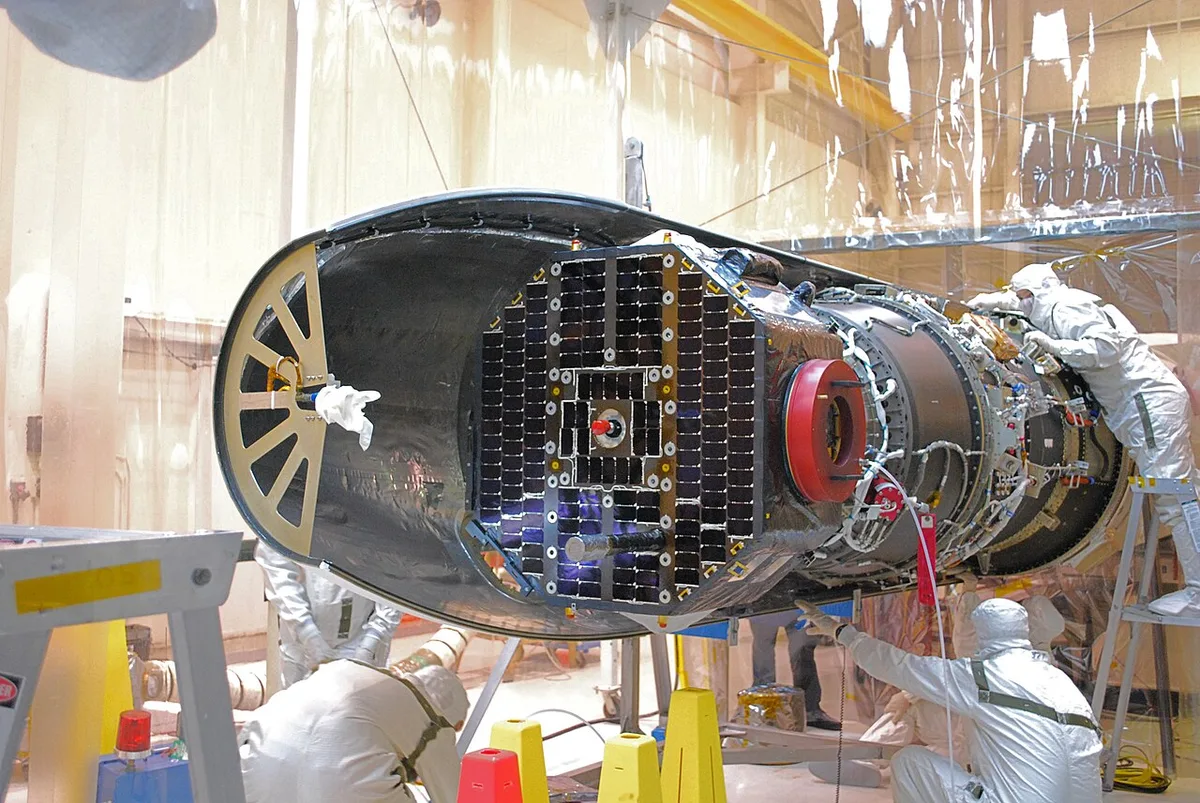
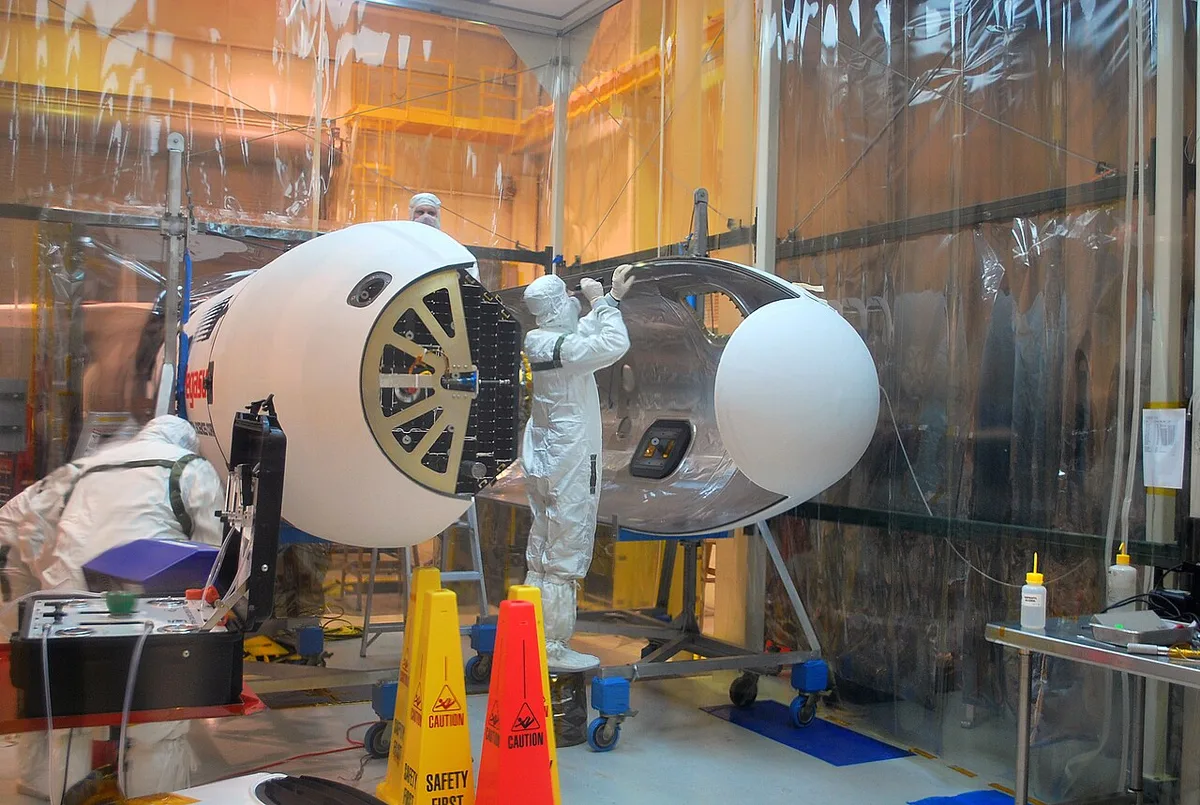
NASA’s recent student CubeSat launch highlights how shared spacecraft designs can support learning, while every assembled vehicle still needs its own verification.
NASA’s communications-loss update illustrates a difficult systems problem: protective software must not prevent the very contact needed to recover a spacecraft.
NASA’s new request for industry information opens a practical discussion about rendezvous, reboost and the limits of servicing an existing orbital observatory.
NASA’s November update on Swift provides a practical lesson in atmospheric drag, prediction uncertainty and the difference between a forecast and a confirmed event.
NASA’s first TRACERS results explain why paired measurements can distinguish a moving structure from a changing process in Earth’s magnetic environment.
NASA’s optical-navigation demonstration shows how a spacecraft can compare camera observations with a catalog, and why an angle is only the beginning of an orbit estimate.
NASA’s commercial relay demonstrations highlight two different communication needs: bulk scientific data and the lower-rate messages that keep a mission operable.
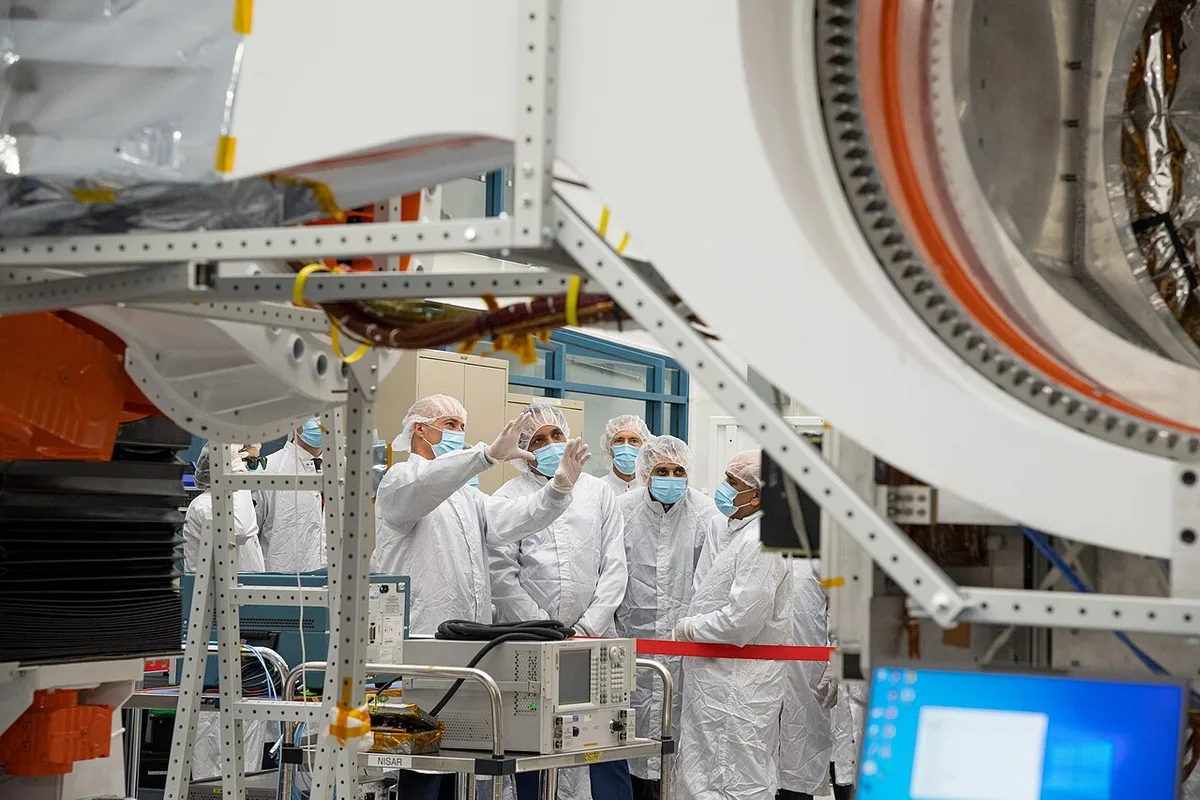
The latest sunshade integration update shows how shielding an infrared telescope and generating spacecraft power become one tightly connected design problem.
NASA’s latest Lucy update shows why reaching an asteroid population and completing a close flyby are separate milestones with different engineering demands.
NASA’s recent Voyager 1 update reveals why conserving a few watts on a distant spacecraft is a system problem involving electrical load, temperature and recovery.
A 2026 guide to small-satellite optical links, focusing on acquisition, pointing, atmospheric interruptions and the difference between peak speed and delivered data.
A 2026 guide to ground data systems focuses on timestamps, units, command confirmation and the information chain behind a trustworthy spacecraft status display.
A 2026 guide to identification and tracking explains the relationship between a detected object, its identity and the predicted orbit used for later decisions.