- Prospect is intended to investigate lunar materials and volatiles, rather than demonstrate commercial mining.
- A sample’s thermal and contamination history affects what laboratory measurements can mean.
- A launch or landing schedule remains a plan until the mission reaches those milestones.
The recent hardware update
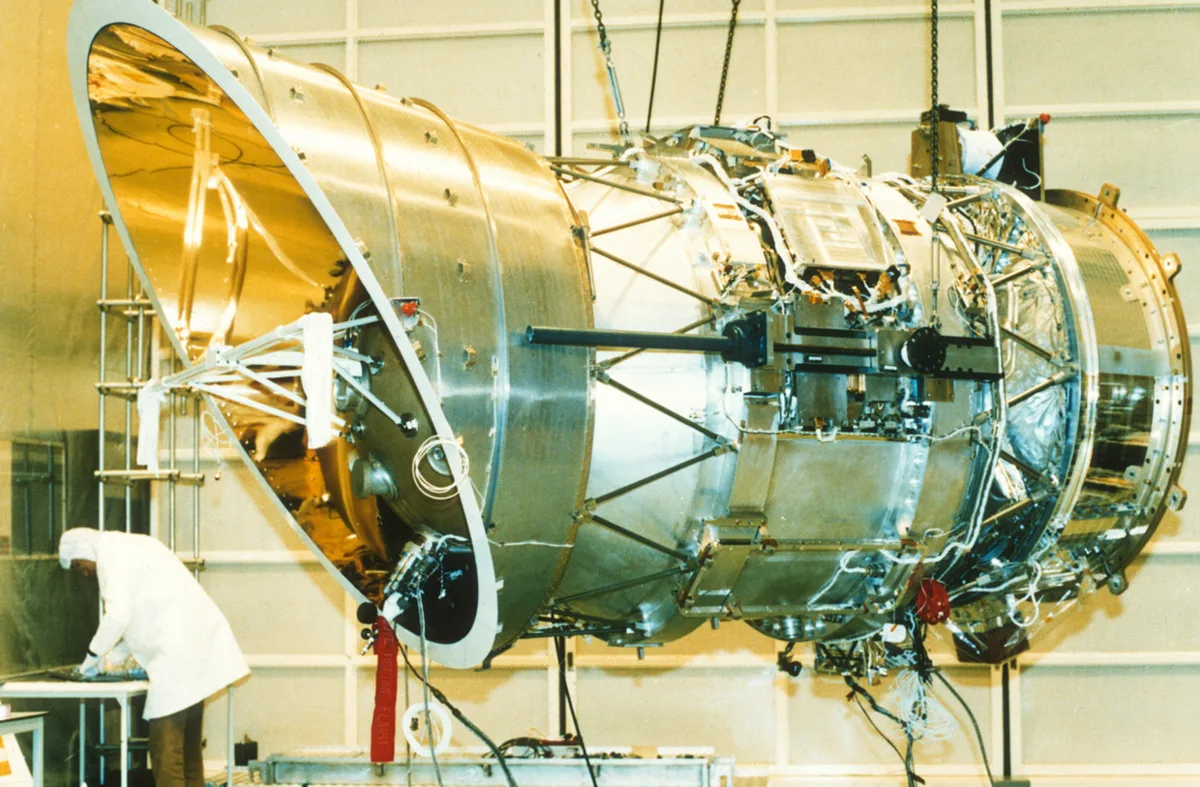
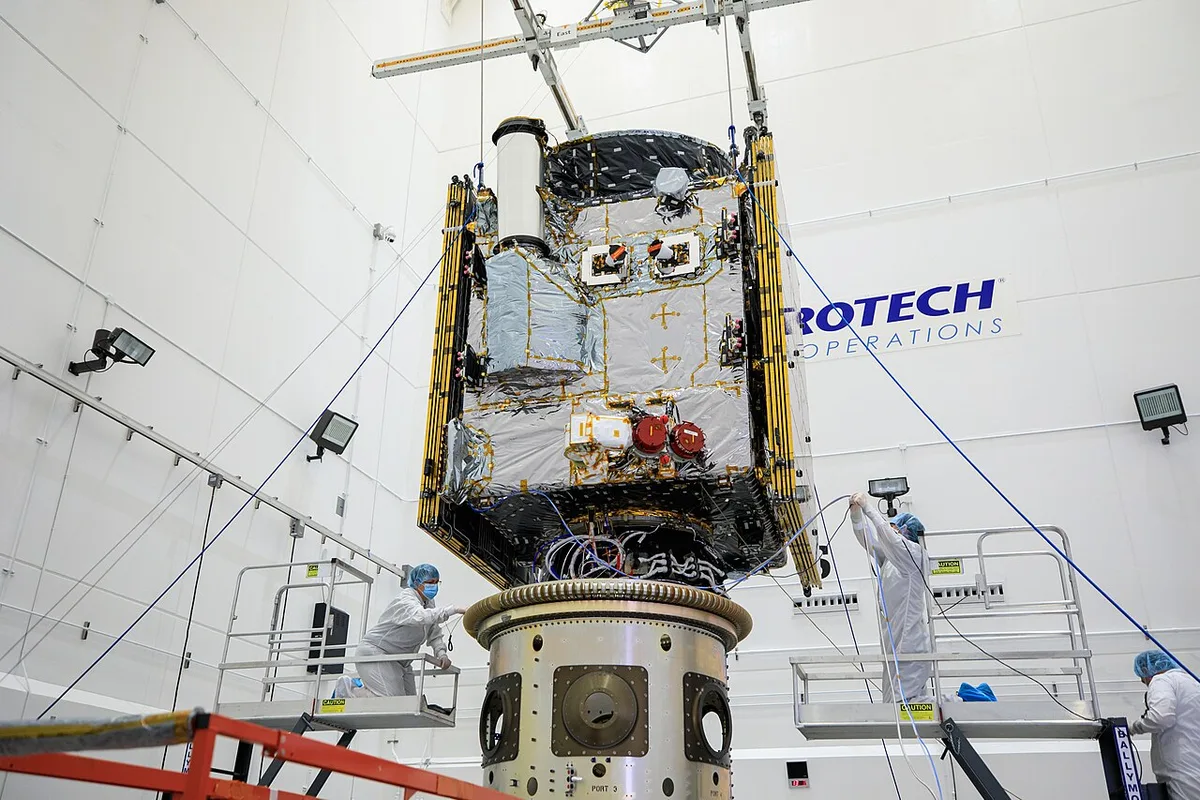
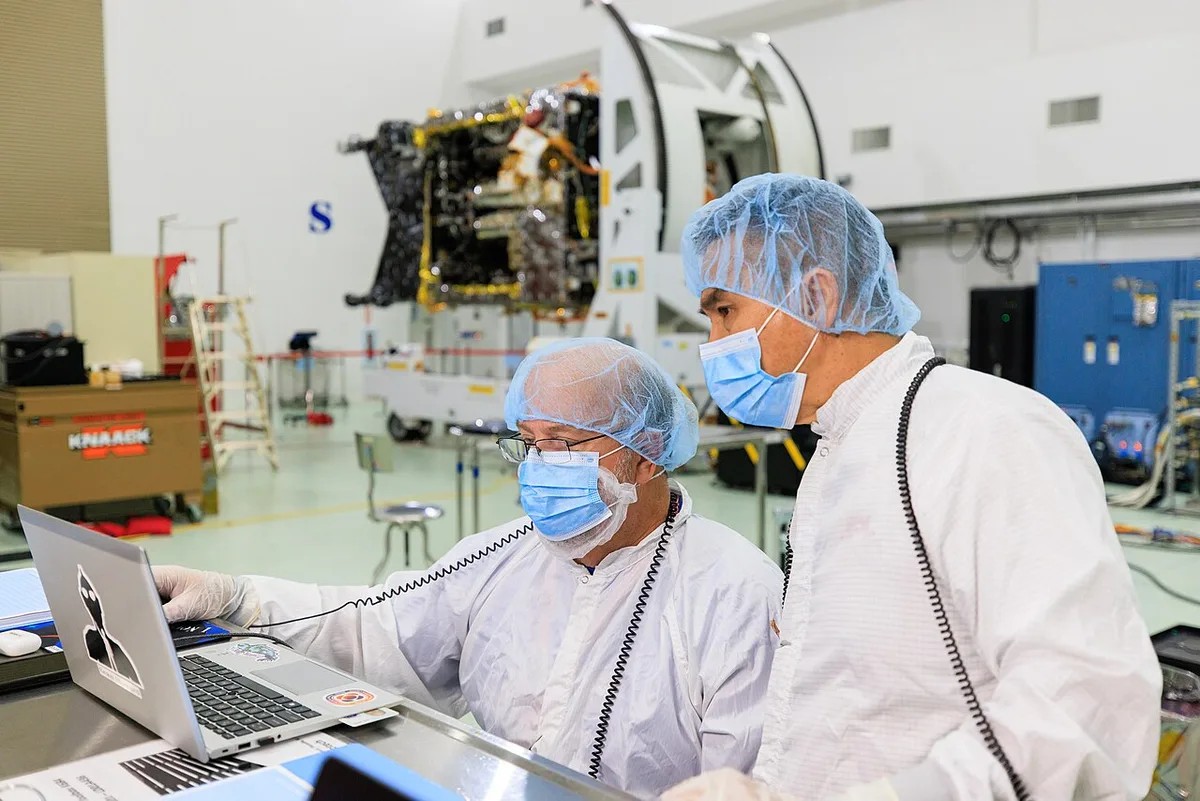
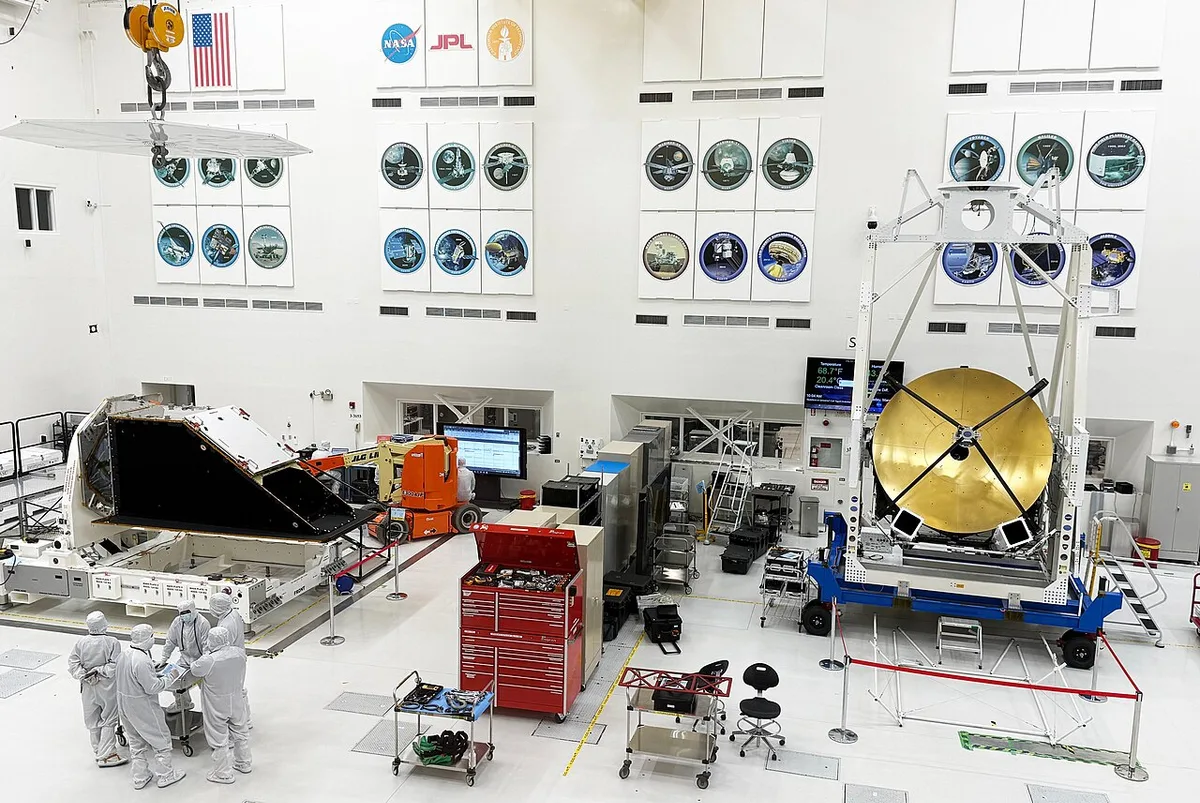
ESA published a Prospect drill-testing update on October 15. The agency describes a drill and compact science laboratory intended to investigate material near the lunar south pole, with a planned mission in 2027. Its account concerns engineering preparation on Earth, not a completed discovery of accessible water. The drill is designed to acquire subsurface samples for analysis, and ESA explicitly distinguishes the investigation from a mining operation. That framing is useful because the scientific value depends on the quality of the evidence, not the quantity of material excavated.
A drill can be judged by how deeply it penetrates, but a scientific drilling system has a second responsibility: preserving enough of a sample’s original condition to make subsequent measurements meaningful.
Why the surface is not the whole story
The uppermost layer of a planetary surface interacts with its environment differently from material below it. Temperature changes, radiation and incoming particles can alter what a shallow observation reveals. Sampling beneath that layer provides another view, potentially allowing researchers to compare conditions that are not exposed in the same way.
Depth alone does not establish a simple historical record. Material can be mixed or disturbed, and a sample’s local setting matters. The scientific question is therefore not merely whether a tool can reach a specified distance. It is whether the material acquired at that distance can be connected to a known location and collection sequence, with enough supporting information to interpret what the sample represents.
Heat can change the evidence
Mechanical work produces heat. For an investigation concerned with volatile substances, heating during acquisition can alter the sample before it reaches an analyzer. A drill must therefore manage a tension between applying enough energy to penetrate difficult material and avoiding changes that obscure the original conditions.
This does not mean the tool must avoid every temperature increase. It means the thermal history should be understood and, where possible, controlled. Recording operating conditions can help researchers distinguish a material’s natural properties from effects introduced by collection. A sample that has lost some volatile content might still provide useful information, but only if the loss mechanism and its likely significance are considered rather than ignored.
The handoff matters as much as the cut
Once material has been acquired, it has to reach the analysis equipment. Transfer introduces its own opportunities for loss, mixing or contamination. The sample may encounter surfaces with a different temperature or retain traces of material from an earlier operation. The entire path from ground to instrument must consequently be treated as part of the experiment.
For readers, this is a useful way to distinguish a drill demonstration from a sampling demonstration. Watching a bit enter a test surface establishes something about penetration. Showing that a representative sample arrives at the correct container, in a known state, establishes something more. The best engineering tests make that sequence visible and measurable rather than allowing the most dramatic mechanical motion to stand for the whole scientific process.
For example, suppose a transfer surface retains material from a previous collection. A later analysis could then contain signals from two locations while appearing to describe just one. Tracking the order of operations, cleaning behavior and background readings helps reveal that possibility. This is why provenance in a robotic sampling system is a technical requirement, rather than merely a note added to the final dataset.
Heating can be an analytical tool
A laboratory may deliberately heat a collected sample to release substances that can then be measured. Controlled heating is different from uncontrolled warming during acquisition because the conditions can be selected, recorded and connected to the resulting signal. The sequence of released material can help researchers ask how substances were held within the sample.
Interpretation still requires care. A detected signal must be considered alongside the instrument’s background and the behavior of containers, seals and other materials. Reference measurements and calibration support that distinction. The strongest result is not merely a graph with a peak, but a well-supported explanation of why that peak belongs to the collected sample and what uncertainty remains about its origin.
Finding water is not establishing a resource
A scientific detection and a usable supply answer different questions. Even a convincing local measurement would not by itself establish how much material exists across a wider region, how consistently it is distributed or how readily it could be extracted. Those questions require additional observations and a separate engineering assessment.
This is why descriptions of an investigation should avoid jumping directly from a promising sample to predictions about sustained operations. A mission can make an important discovery without proving that a practical production system is available. Readers can preserve both ideas at once: understanding lunar volatiles could be scientifically significant, while the existence of a dependable resource would need a much broader body of evidence.
How to read a drilling test
Look for information about the test material, its temperature and the mechanical constraints on the tool. A carefully prepared terrestrial substitute can reproduce selected properties without reproducing every feature of the lunar environment. Its usefulness depends on which behaviors the test was designed to evaluate.
The same principle applies to repetition. A successful single deployment may establish a mechanism’s basic function, while repeated runs can expose wear, blockages or inconsistencies. Tests should also consider what the system can do when progress slows unexpectedly. A mission instrument needs a controlled response to difficulty, because applying more force indefinitely can put both the tool and the scientific objective at risk. The recorded response helps reveal how much operational margin the design has.
The value of a careful sample
Prospect’s development is interesting because it connects a physical interaction with an interpretive question. The tool must contact unfamiliar ground, obtain material and deliver it into a measurement chain whose results can withstand scientific scrutiny. Each stage can limit the conclusion even if every other stage works well.
As the mission progresses, the most useful updates will show how these stages are verified together. A deeper hole is not automatically a better scientific result, and a proposed schedule is not a completed mission. A well-characterized sample, however, can provide evidence that remote observations alone cannot. That is the standard against which this drilling technology should be understood: not how convincingly it promises extraction, but how reliably it preserves and reveals information about the ground it touches.
Sources & further reading
Primary references inform the reporting. Our explanations, scenarios, and conclusions are editorial analysis; source statements are not independent test results.
- Drilling down for the Moonwww.esa.int
Source publication or reference date: 2026-10-15.
See an error or an important update? Contact the editors.