Remote SIM provisioning can simplify setup and travel, but a useful eSIM plan still depends on the exact device, carrier, activation method, coverage, and recovery process.
Satellite features can extend supported communication beyond ordinary coverage, but they have device, region, environment, and service limits. Learn the official demo before treating the feature as part of a travel plan.
Satellite positioning depends on signals, receiver design, geometry, and surroundings. Separating position estimates from map data explains many ordinary navigation surprises.
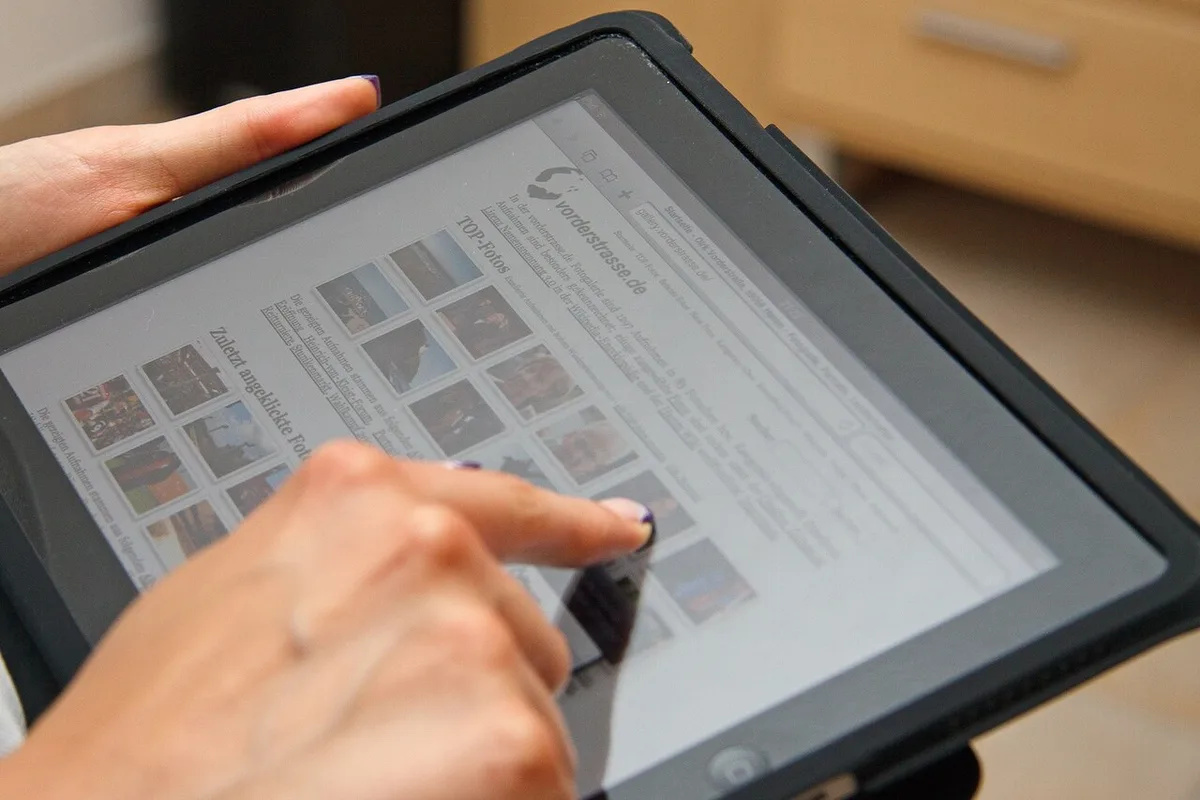
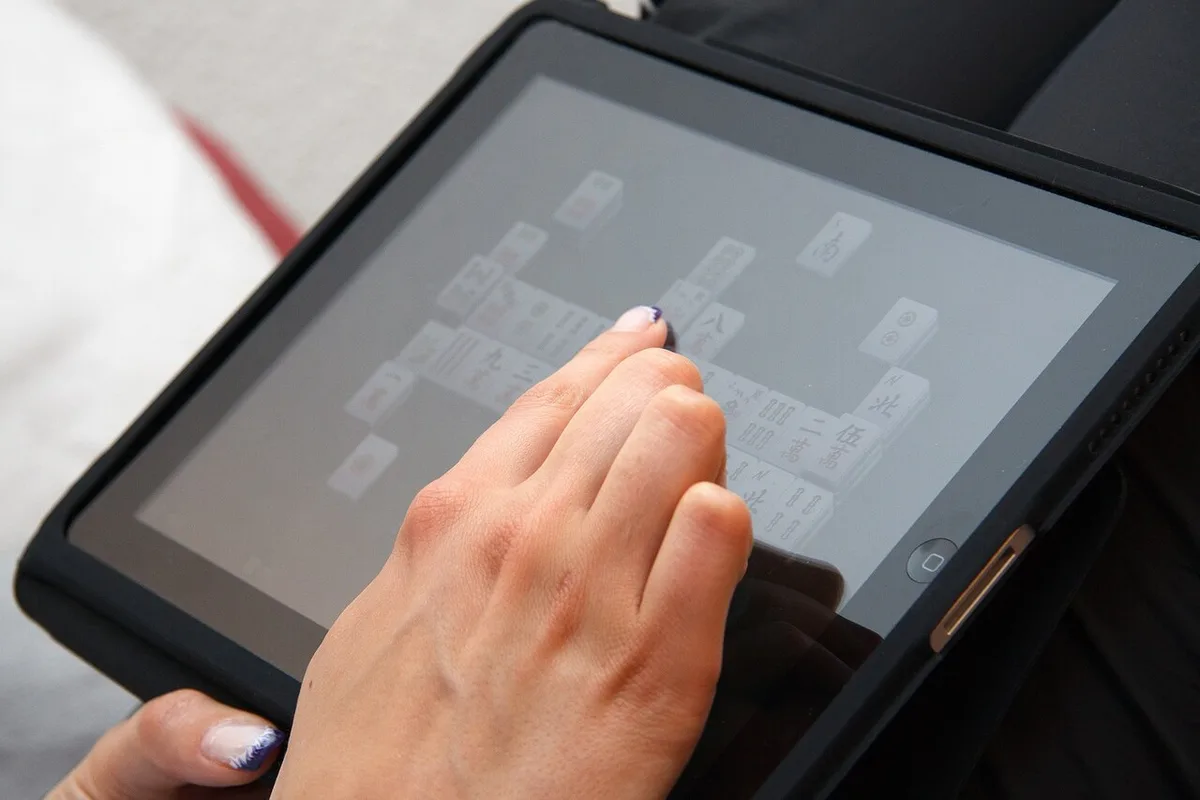
The new OLED iPad mini is a portability decision as much as a processor update. We examine reading, note-taking, travel, and the work that still benefits from more space.
Bluetooth Channel Sounding adds a standardized approach to distance measurement. Understanding what it measures, what products must implement, and what uncertainty remains prevents exaggerated expectations.
A larger pixel count can support detail and cropping, but optics, focus, motion, processing, and delivery determine whether that capacity becomes visible value.
Variable aperture is the headline of Apple’s new Pro camera. Understanding exposure, depth of field, movement, and editing reveals when that control is useful.
HDR capture, HDR display, and tone mapping are related but different stages. Understanding the delivery path explains why a photograph can look different after editing, exporting, or sharing.
Apple’s first foldable iPhone changes the relationship between a pocket device and a larger workspace. The important questions concern tasks, software, handling, and care.
A flat-looking recording can preserve a useful workflow choice, but Log needs exposure discipline, compatible software, a defined transform, and an appropriate delivery process.
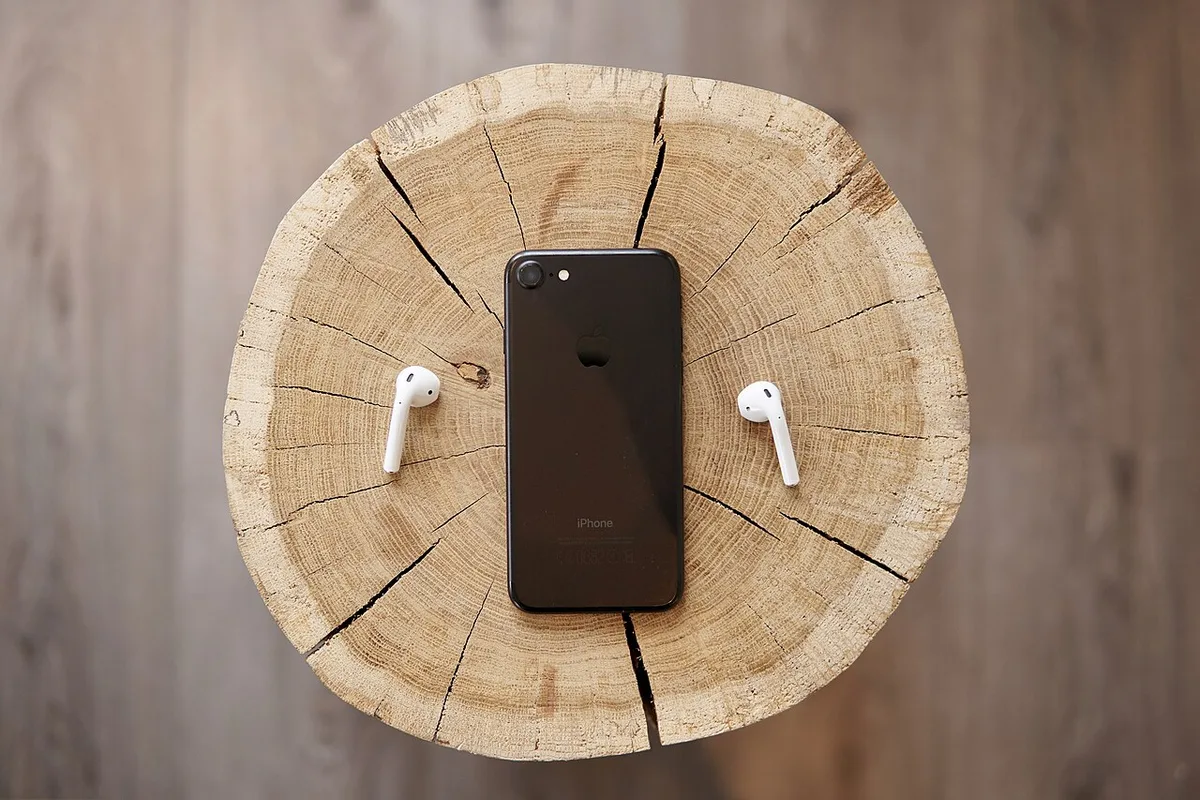
Open-ear earbuds trade a sealed fit for a different kind of comfort. Apple’s AirPods 5 announcement is a useful moment to examine fit, noise control, speech, and daily charging.
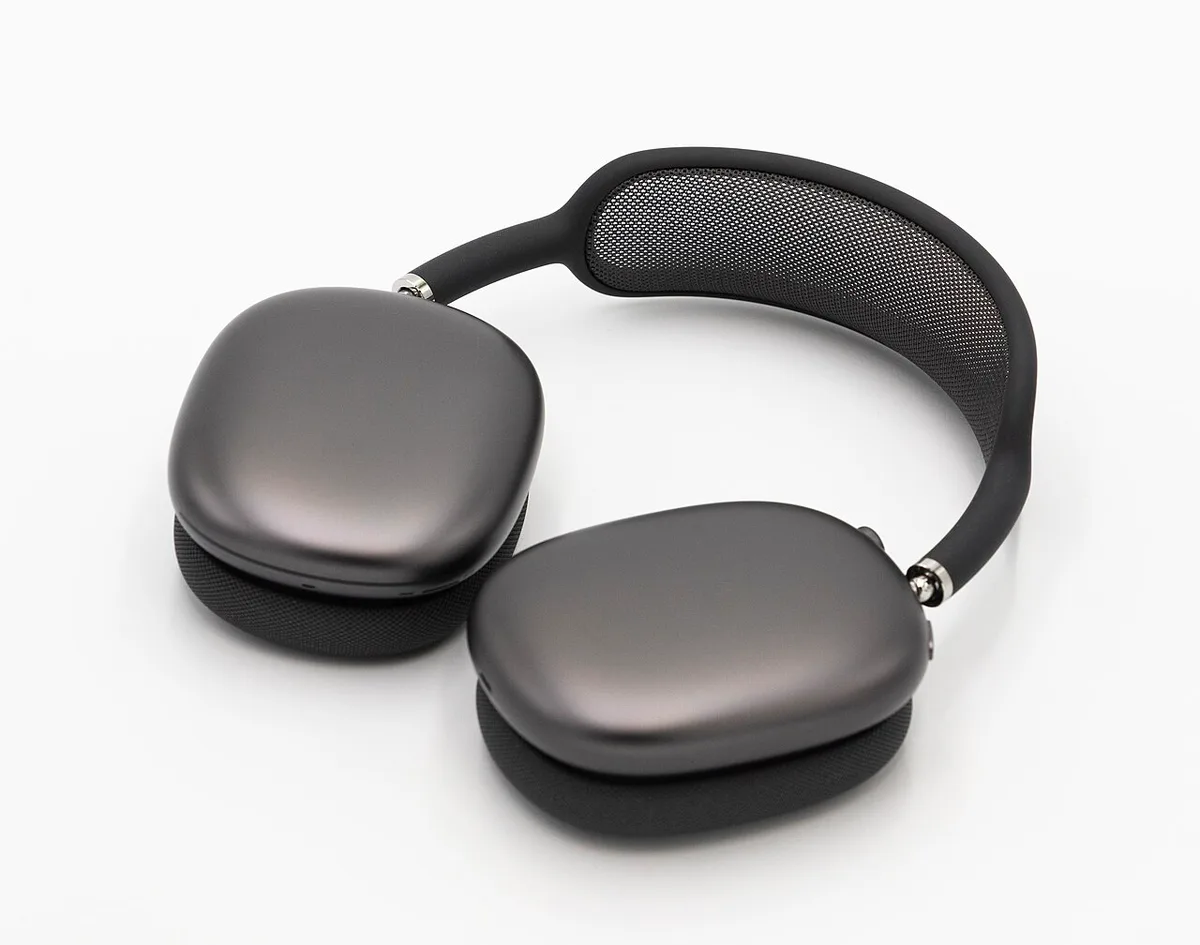
Apple’s latest over-ear headphones invite a broader evaluation than sound alone: long-session comfort, microphones, travel space, source quality, and repair all affect their value.
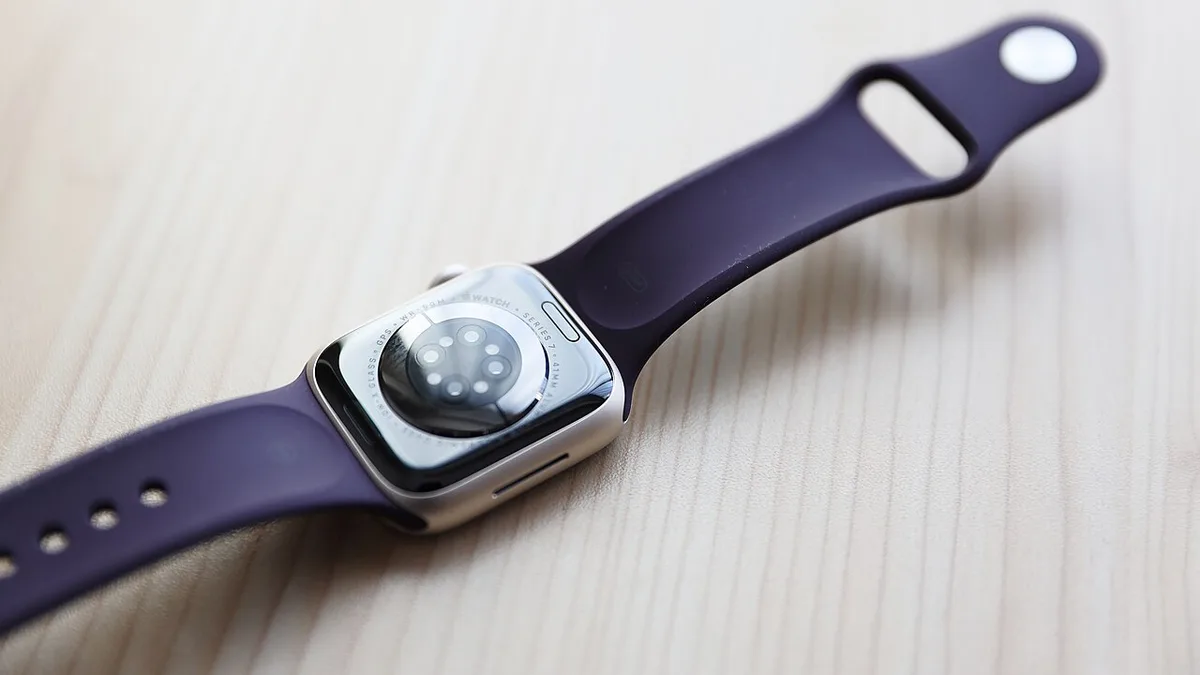
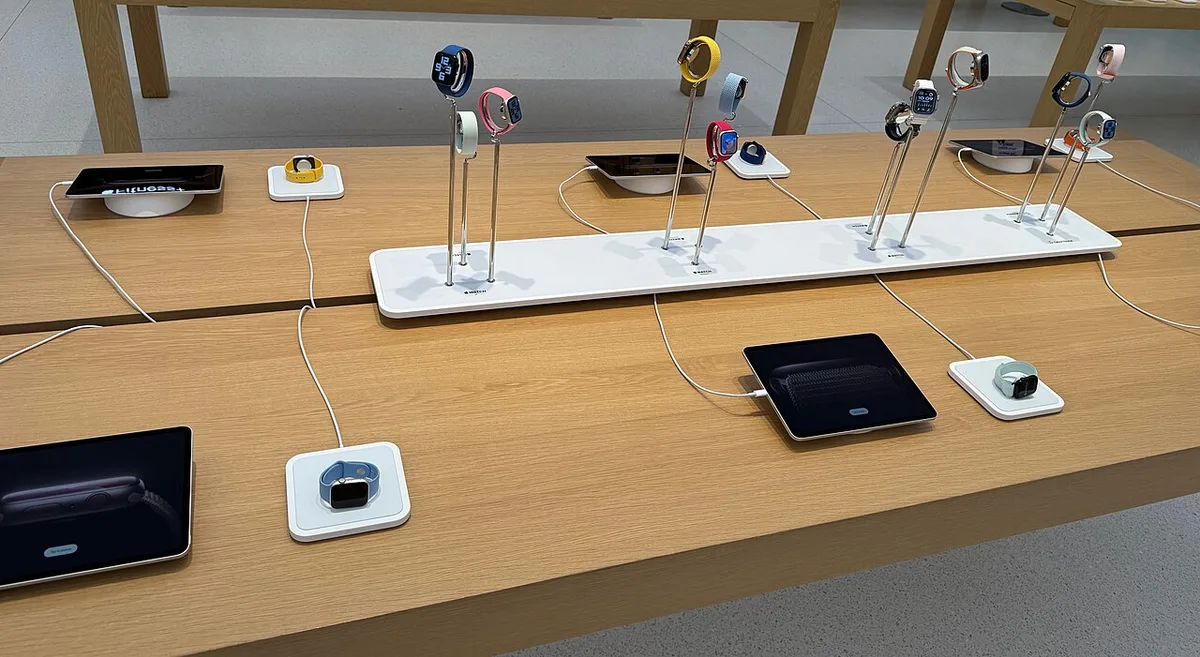
A smartwatch is a sensor, notification surface, and daily charging commitment. Apple’s Series 12 announcement offers a chance to decide which of those roles is actually useful.
An outdoor watch must fit a route, charging plan, navigation method, and fallback. Apple’s Ultra 4 announcement is a starting point for that assessment, not a substitute for it.
The M4 iPad Air can support reading, handwritten work, and portable study. Its value depends on assignment formats, feedback, file handling, and what a learner already owns.
A professional tablet earns its place through the whole illustration process: input, reference, layers, color, revision, export, and archiving. Here is how to evaluate that process.
Wireless charging adds convenience by changing placement and connection habits. Evaluating a Qi2 setup requires compatible hardware, a suitable case, power input, heat management, and realistic timing.
Apple’s second-generation item finder improves finding features, but a useful setup still depends on ownership, compatibility, battery care, and realistic expectations about location updates.
Apple’s lower-priced iPhone 17e is a reminder to assess phones through communication, storage, access, and ownership costs before paying for specialist capabilities.
LE Audio introduces a new audio framework, while Auracast addresses broadcast use cases. Their practical value depends on explicit support across the source, receiver, software, and intended setting.