- Long-session comfort is individual and needs a trial.
- Match loudness and settings when comparing familiar recordings.
- Include microphones, packing, and service in the value calculation.
A premium object needs a practical argument
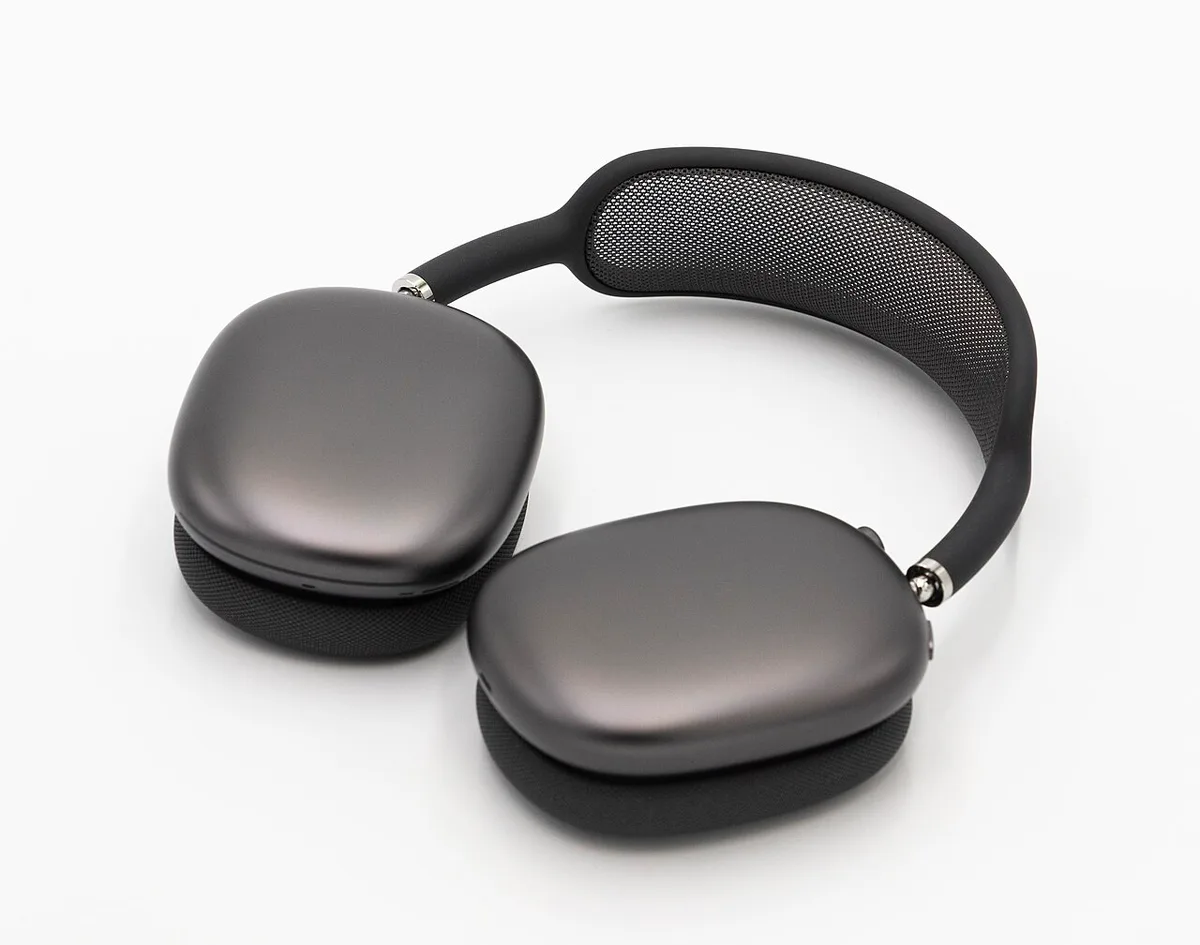
Over-ear headphones are unusually personal technology. They touch the head for long periods, create a private acoustic space, and often travel between work and leisure. Apple’s March 16 introduction of AirPods Max 2 is therefore more than a question about the next generation of electronics. The release confirms a new model in Apple’s over-ear range. We have not conducted an independent listening, comfort, or battery test, and this article does not assign a sound-quality score.
The useful starting point is the role the headphones must fill. A person seeking concentration at a desk has different priorities from someone packing for weekly flights or recording calls in a shared room. Price and brand do not resolve those differences. A premium purchase should make a recurring activity meaningfully better, with enough comfort and convenience that the owner continues to use it after the appeal of the new object has faded.
Comfort develops over time
The first minute of a fitting reveals pressure, size, and basic stability, but not the full experience of an afternoon. Earpad material, headband contact, glasses, hair, room temperature, and the user’s preferred posture can all change comfort. A headphone that feels substantial in the hand may feel reassuring or tiring on the head depending on the person. There is no reliable way to infer that result from a photograph.
Plan a trial around an ordinary session. Wear glasses if they are normally used, sit in the usual chair, and move as you would during work. Notice pressure at the crown, warmth around the ears, and whether the headphones shift while looking down. Brief breaks are reasonable during long listening sessions regardless of model. If discomfort appears repeatedly, treat it as important evidence rather than something a premium product must eventually justify. The best acoustic capability has limited value when the listener continually wants to remove the headphones.
Familiar recordings make better comparisons
An unfamiliar demonstration track can be impressive without revealing whether a headphone suits the listener. Use recordings you know well, including material with voices, restrained passages, and dense arrangements. Keep comparisons at similar perceived loudness, since a louder presentation can initially seem clearer or more exciting. The goal is to understand balance and fatigue, not to create a contest between volume settings.
Include ordinary sources as well as high-quality ones. Streaming services, meeting applications, video, and local music may use different formats and processing. Check whether any equalization, loudness normalization, spatial processing, or other effects are enabled. A meaningful comparison changes one variable at a time. If several settings change together, it becomes difficult to know what caused the impression. Sound quality is partly subjective, but the method used to compare it can still be careful and repeatable.
Isolation should fit the environment
Over-ear headphones can reduce outside sound through their physical structure and, where supported, active processing. The resulting experience depends on fit and surroundings. A steady ventilation system, nearby conversation, and sudden impacts are different acoustic challenges. A listener working in a shared home may want fewer distractions while still noticing a doorbell or another person. A traveler may prioritize steady transport noise. These situations should not be collapsed into a single idea of maximum isolation.
Test the modes relevant to the actual setting and remain appropriately aware of the environment. Noise cancellation is not hearing protection, and consumer headphones should not be treated as safety equipment. If an awareness mode is important, listen for how naturally speech and environmental cues are presented. Convenience matters too: changing modes should be straightforward enough that the listener uses the appropriate one. A feature that requires attention at the wrong moment can become a source of friction rather than a practical benefit.
The microphone is part of the working instrument
People who spend hours on calls often choose headphones primarily through music reviews. That leaves a major question unanswered. The outgoing microphone signal has its own behavior, and the other participants hear its strengths and weaknesses. Background suppression may help in one room while making speech sound unnatural in another. Movement, wind, and changing distance from noise sources can also affect clarity.
Make a realistic call before deciding that one device can cover both listening and meetings. Ask the other participant to describe consistency, not simply whether they can hear you once. Try the computer and phone applications normally used for work, and verify device switching. If a dedicated microphone is already available at the desk, the headphones may have a different role there than during travel. Evaluating the complete communication setup prevents a purchase based on excellent playback from becoming an avoidable compromise in everyday conversation.
Travel value includes volume in the bag
Large headphones occupy space even when they are not in use. Their case, cable, charger, and any adapters belong in the packing calculation. A frequent traveler should compare the complete kit with alternatives, including smaller earbuds or a lighter headphone. The question is not whether over-ear listening is desirable, but whether its benefits justify the space and weight on the journeys actually taken.
Consider transitions as well as long flights. Where do the headphones go while passing through a station, taking a short call, or arriving at a meeting? Can they be protected without rearranging the whole bag? Check the manufacturer’s care guidance for moisture and cleaning. A premium finish can invite careful handling that becomes inconvenient in a rough daily routine. Durability should be understood through construction, care requirements, warranty terms, and repair options rather than an assumption that an expensive object is automatically suited to every environment.
Long ownership depends on ordinary maintenance
Earpads wear, batteries age, and software compatibility changes. Before purchasing, investigate what can be serviced or replaced, what the process costs, and whether local support is available. These details may be less exciting than a launch feature, but they influence the useful life of the product. An easily maintained item can provide better long-term value than one that looks preferable in a narrow initial comparison.
For AirPods Max 2, the most sensible evaluation combines a comfort trial, familiar listening, outgoing-call checks, travel packing, and a review of service terms. Compare that result with the headphones already owned and with alternatives that fit the same role. There is no need to justify a premium purchase through every possible feature. One or two important improvements can be enough when they occur every day. The decisive evidence is a better routine that remains comfortable and dependable over time, rather than the prestige of the object itself.
Sources & further reading
Primary references inform the reporting. Our explanations, scenarios, and conclusions are editorial analysis; source statements are not independent test results.
- Apple introduces AirPods Max 2www.apple.com
Source publication or reference date: 2026-03-16.
See an error or an important update? Contact the editors.