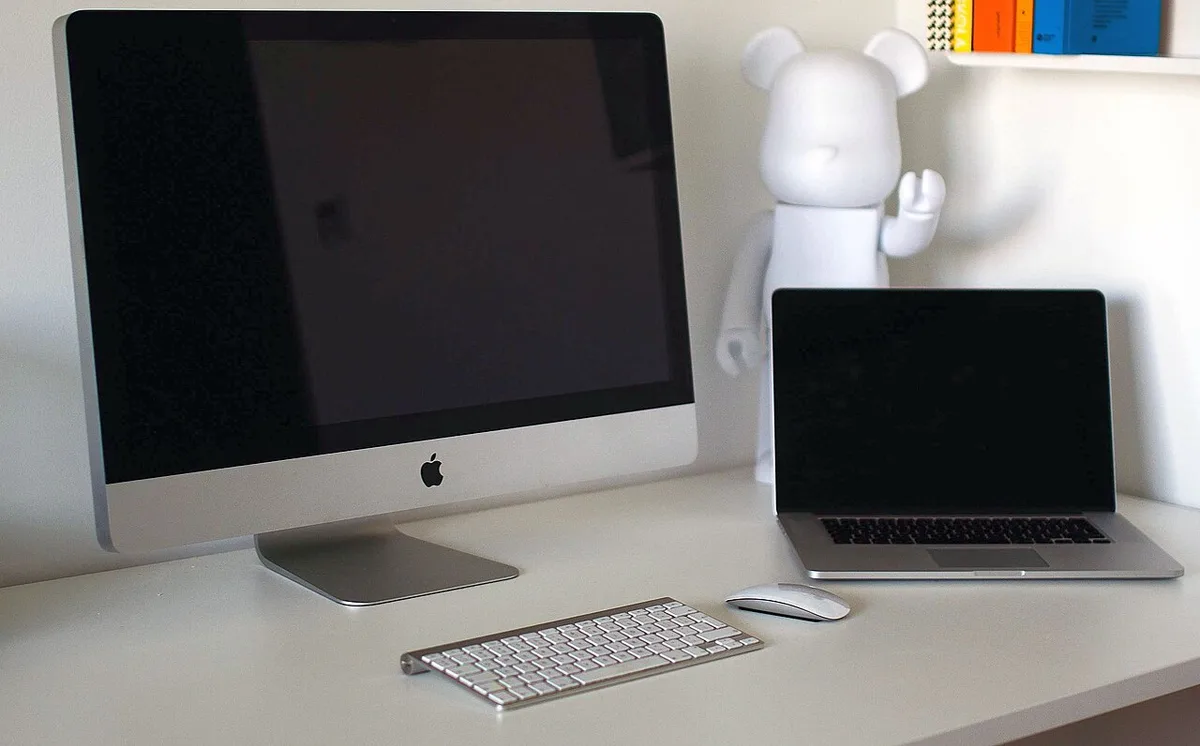
- Evaluate the entire workflow, not one processor score.
- Screen area and desk accessories belong in the cost comparison.
- Write measurable upgrade goals before buying.
The middle of a laptop range is where decisions become difficult
A compact professional laptop occupies an awkward but useful space. It must be portable enough to carry without a second thought, yet capable enough to serve as the computer at a desk. Apple’s October 27 introduction of the 14-inch MacBook Pro with M6 raises that familiar question again: what work justifies choosing this class of machine instead of a simpler portable or a larger workstation? The answer begins with the shape of a working day, rather than the order of products in a store.
Apple’s announcement identifies M6 as the processor in this new 14-inch model and describes macOS 27 as its software platform. The company scheduled customer availability for November 6. We have not benchmarked the machine. Its release is useful evidence of the product’s existence and intended role, while judgments about sustained speed, acoustic behavior, and real battery endurance require independent testing. This article therefore focuses on how to evaluate the design in a practical buying process.
Small screens encourage a particular working rhythm
A 14-inch computer is easy to imagine on a train tray, a small meeting table, or the corner of a shared desk. Those environments reward a compact footprint. They also impose limits on simultaneous information. A spreadsheet beside a reference document, a video timeline beside source footage, or an integrated development environment beside documentation may feel more constrained than the processor specification suggests. Screen area is a working resource, even when applications allow clever window arrangements.
Think about whether travel means completing full projects or merely keeping them moving. Reviewing a proposal, correcting a document, and responding to feedback are different from spending six hours in a complex timeline. A compact laptop can support both, but the second may call for an external monitor at the main workplace. Budget for that display when comparing systems. An apparently cheaper laptop becomes a different proposition once the accessories needed for comfortable daily work are included.
Burst speed and sustained work are different experiences
Short tasks and long tasks stress a computer in different ways. Opening a document or applying a quick adjustment may depend on a brief burst of performance. Rendering a sequence, compiling a large codebase, or processing many images can keep several parts of the system busy for much longer. Cooling, power limits, application efficiency, and the characteristics of the files all influence the resulting experience. A processor generation alone cannot reveal how a particular workflow will behave.
That distinction changes how to read a launch comparison. A percentage improvement needs a named workload, a named older machine, and settings that make the result reproducible. Without those details, the number is a direction of travel rather than a personal forecast. For an owner considering replacement, the most useful test is a recurring project with known delays. Time the complete sequence, including import, editing responsiveness, export, and any waiting between stages. A faster isolated step matters less if another stage remains the limiting factor.
Memory and storage deserve an early place in the budget
It is tempting to choose a processor first and treat the rest of the configuration as housekeeping. In practice, memory pressure can dominate the feel of a heavily used computer. Several large applications, a browser full of active material, and a substantial project can compete for the same working resources. Storage capacity creates another practical boundary: a project that fits comfortably on the internal drive is simpler to move than one distributed across several external devices.
Start by measuring actual usage on the current system over several representative days. A single quiet afternoon can conceal the demands of a busy deadline. Note the size of active projects, the applications usually open together, and the space required for temporary exports. Leave room for growth, but distinguish likely growth from imagined future hobbies. Buying capacity for work that is already arriving is sensible planning. Buying the most expensive option because every possible task might someday become important is much harder to justify.
The desktop connection changes the value equation
A laptop that spends much of its life connected to a desk should be assessed as part of that desk. Displays, storage, audio devices, networking, and charging need to work together without daily improvisation. Count the connections required at once. Then check the exact capabilities of the chosen model, dock, cables, and monitors. Connector shape is only the beginning; supported data rates, display modes, and power delivery must also align.
An effective desk setup can make a compact computer feel much larger. It can also add cost and failure points. A dock that occasionally loses a display or a storage connection wastes time regardless of processor speed. During an evaluation period, reproduce the actual arrangement rather than testing only the laptop by itself. Wake it from sleep, connect and disconnect peripherals, move a large file, join a call, and inspect the external display. Everyday transitions reveal usability problems that a single benchmark run will miss.
Existing owners should price the disruption as well as the hardware
Replacing a work computer involves more than transferring documents. Authentication tools, development environments, fonts, plugins, local archives, and backup routines may need attention. Even a smooth migration consumes time. A purchase becomes more attractive when it resolves a persistent limitation, such as an unreliable battery, insufficient working memory, or software support that no longer fits the job. It becomes less compelling when the current system already meets deadlines comfortably.
Consider the alternative uses of the budget. A better monitor, an improved backup arrangement, a quieter workspace, or a training course may remove more friction than a new laptop. That is not an argument against the M6 model; it is a way to identify the correct intervention. The computer should be compared with the actual problem and the available alternatives, including keeping existing equipment. A new product can be well designed without being the most valuable next purchase for every reader.
A sensible evaluation has a written finish line
Before ordering, write down three outcomes that would make the change worthwhile. Examples might include finishing a nightly export before leaving work, carrying the machine comfortably through a long commute, or running a specific collection of applications without interruptions. These outcomes make testing concrete. They also reduce the risk of mistaking the pleasure of new hardware for a durable improvement in work.
The M6 14-inch MacBook Pro is best approached as a compact system with a defined role. Verify its current configuration options and regional terms directly with Apple, then seek measurements that match your workload. If possible, test the whole desk and travel routine during the return period. The most useful professional laptop is the one that fits the actual schedule, files, connections, and habits of its owner. That conclusion may favor the new machine, a different size, or another year with the computer already on the desk.
Sources & further reading
Primary references inform the reporting. Our explanations, scenarios, and conclusions are editorial analysis; source statements are not independent test results.
- Apple introduces the new 14-inch MacBook Pro with M6www.apple.com
Source publication or reference date: 2026-10-27.
See an error or an important update? Contact the editors.