- Open-ear fit and cancellation must be evaluated together.
- Test outgoing calls separately from music playback.
- Choose the case around a realistic charging routine.
Comfort and isolation do not always point in the same direction
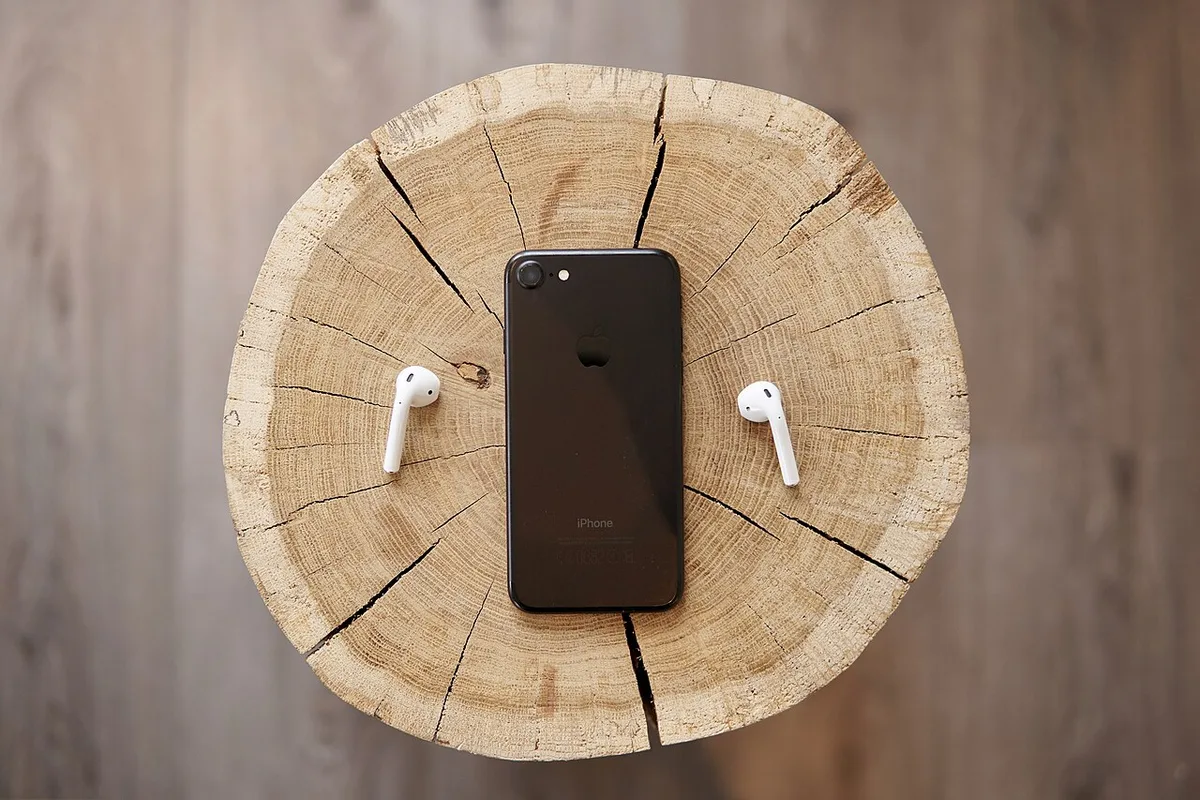
Some listeners like an earbud that seals the ear canal; others strongly prefer a more open fit. The difference is physical, personal, and difficult to settle from a specification sheet. Apple’s September 9 AirPods 5 announcement focuses on active noise cancellation in an open-ear design. The company lists a $129 United States starting price and a separate $149 version with a wireless charging case. These are manufacturer details and may vary by market. We have not measured the earbuds’ sound or cancellation.
The underlying buying question is not whether open-ear or sealed earbuds are universally better. It is whether the chosen design fits the listener’s ears, surroundings, and habits. Noise cancellation is part of that answer, but so are the pressure of the fit, speech intelligibility, control behavior, charging, and the ability to remain aware of a shared environment. A useful evaluation treats the earbuds as equipment worn for hours rather than a feature list heard for minutes.
Active cancellation has a particular job
Active noise cancellation uses microphones and signal processing to reduce unwanted sound reaching the listener. Its effectiveness depends on the sound, the acoustic fit, and the implementation. Steady background noise presents a different challenge from sudden nearby speech or a brief clatter. An open design also has a different relationship with the ear than a sealed tip. It is therefore unwise to turn one manufacturer comparison into an expectation that every outside sound will disappear.
A practical listening test includes the places where the earbuds will actually be used, where testing is permitted and safe. Compare an office hum, a quiet room, and a familiar recording with moderate background activity. Keep playback at a comfortable level. Notice whether cancellation improves intelligibility or merely changes the character of the background. If a listener needs to raise volume substantially to compensate for the surroundings, reconsider the setting and listening arrangement rather than assuming that stronger volume is the appropriate solution.
Fit is an acoustic variable and a comfort decision
The same earbud can sit differently in different ears. Small changes in position can influence bass, stability, and the consistency of noise control. A brief fitting at a counter may reveal obvious discomfort, but a longer session is more informative. Include speaking, ordinary movement, and the head positions common during work. The aim is to find a secure, comfortable position without repeatedly adjusting the earbuds.
If an open design tends to shift, more advanced electronics may not resolve the practical problem. If sealed tips feel uncomfortable, the strongest possible passive isolation may not be the right priority. These observations help separate personal fit from general product quality. Buy from a seller with clearly understood return terms when fit cannot be established beforehand. Hygiene rules and regional policies can affect those terms, so check them directly. A design that works brilliantly for another reviewer can still be the wrong physical match for an individual listener.
Speech and music expose different weaknesses
Music listening often draws attention to bass, detail, and the balance between instruments. Spoken material emphasizes a different set of needs: clear consonants, stable volume, and low fatigue across a long conversation or podcast. A listener should test both. Use familiar material rather than tracks chosen only because they sound impressive. Include an ordinary recording with less-than-perfect production, since much daily listening does not arrive as a polished demonstration.
Calls require another test because the person on the other end hears the microphone system, not the sound quality inside the listener’s ears. Make a short call from a realistic location and ask about clarity, background noise, and changes while walking or turning the head. Do not assume that good playback establishes good outgoing speech. If calls are the main purpose, they should lead the evaluation. The most enjoyable music signature is a secondary benefit when colleagues struggle to understand routine conversation.
Controls should work when attention belongs elsewhere
Earbud controls are used while walking, carrying a bag, or looking at a screen. They need to be easy to remember and predictable enough to operate without repeated checking. Compare the available controls on the exact version under consideration. A difference that appears minor on a store page, such as how volume is adjusted or how a case is charged, can matter every day.
Test the actions you use most: pausing, answering, changing volume, and moving between devices. Voice features may depend on a connected device, language, software version, network access, or regional availability. Verify those conditions rather than assuming that a launch description applies everywhere. A useful control system reduces attention cost. If it repeatedly interrupts a task or triggers unintended actions, that friction deserves weight in the buying decision even when the underlying audio performance is strong.
Battery life includes the case and the charging habit
Earbud endurance is usually described at several levels: one listening session, additional charges from the case, and a short top-up. Those figures answer different questions. Someone making a long uninterrupted call cares about a single session. Someone using earbuds in brief periods may care more about whether the case remains charged throughout the week. Noise-control modes, calls, volume, and battery age can all influence actual results.
Think through the charging routine before choosing between case options. A wireless pad may be convenient at one desk, while a cable already carried for other equipment may be simpler during travel. Check the connector, included accessories, and whether an additional charger is required. Keep the case in the cost and convenience calculation; it is an essential part of how small wireless earbuds function. A strong headline endurance claim is less useful if the owner regularly leaves the case empty or cannot charge it where needed.
The right result is less effort in a familiar day
AirPods 5 should be evaluated around a listener’s actual pattern: commuting, calls, quiet work, exercise where appropriate, or short listening breaks. Open-ear noise cancellation is an interesting combination because it attempts to reduce distraction without requiring the same physical seal as an in-ear design. That is a design tradeoff to investigate, not a universal promise of comfort or silence.
Keep safety and awareness appropriate to the setting, follow the manufacturer’s guidance, and avoid treating noise cancellation as protective equipment. Compare the full package, including fit, microphone quality, controls, case, and return terms. If existing earbuds already meet those needs comfortably, a new model may offer limited practical benefit. If the present design creates a recurring problem, a careful trial can reveal whether the open approach solves it. The best earbuds make listening easier while asking for less attention during the rest of the day.
Sources & further reading
Primary references inform the reporting. Our explanations, scenarios, and conclusions are editorial analysis; source statements are not independent test results.
Source publication or reference date: 2026-09-09.
See an error or an important update? Contact the editors.