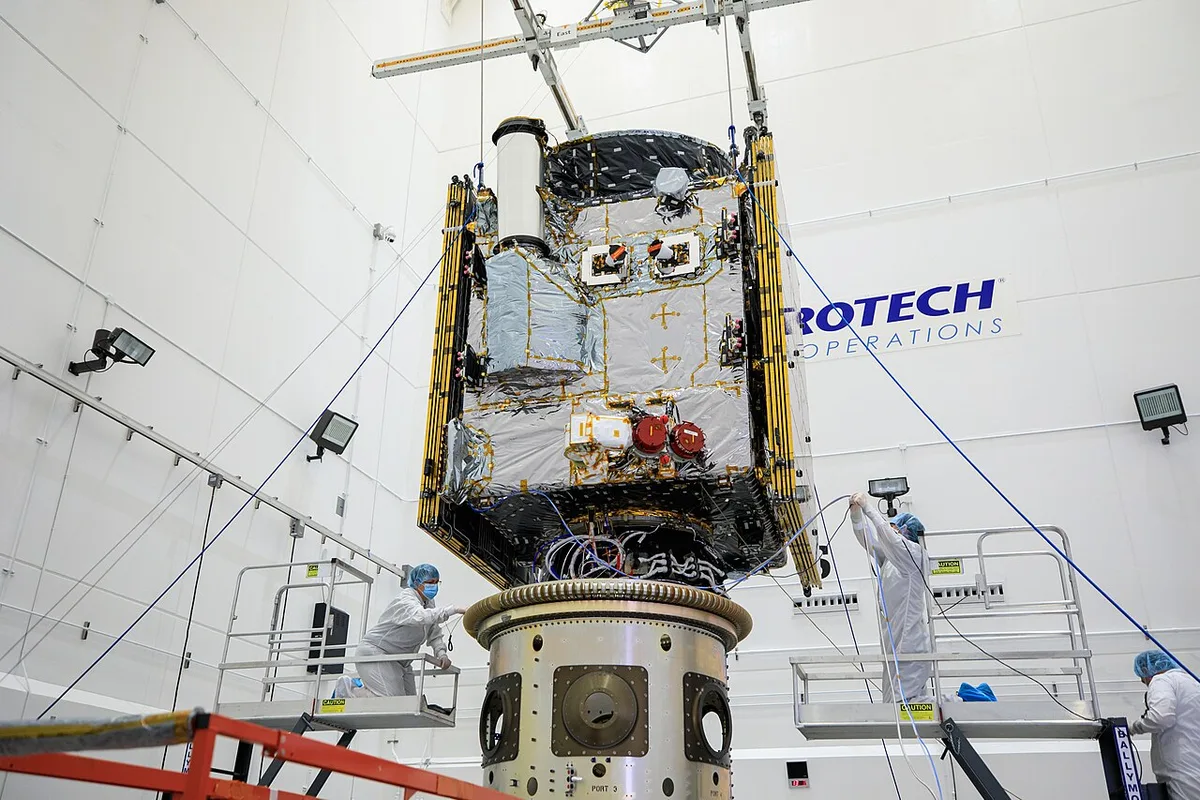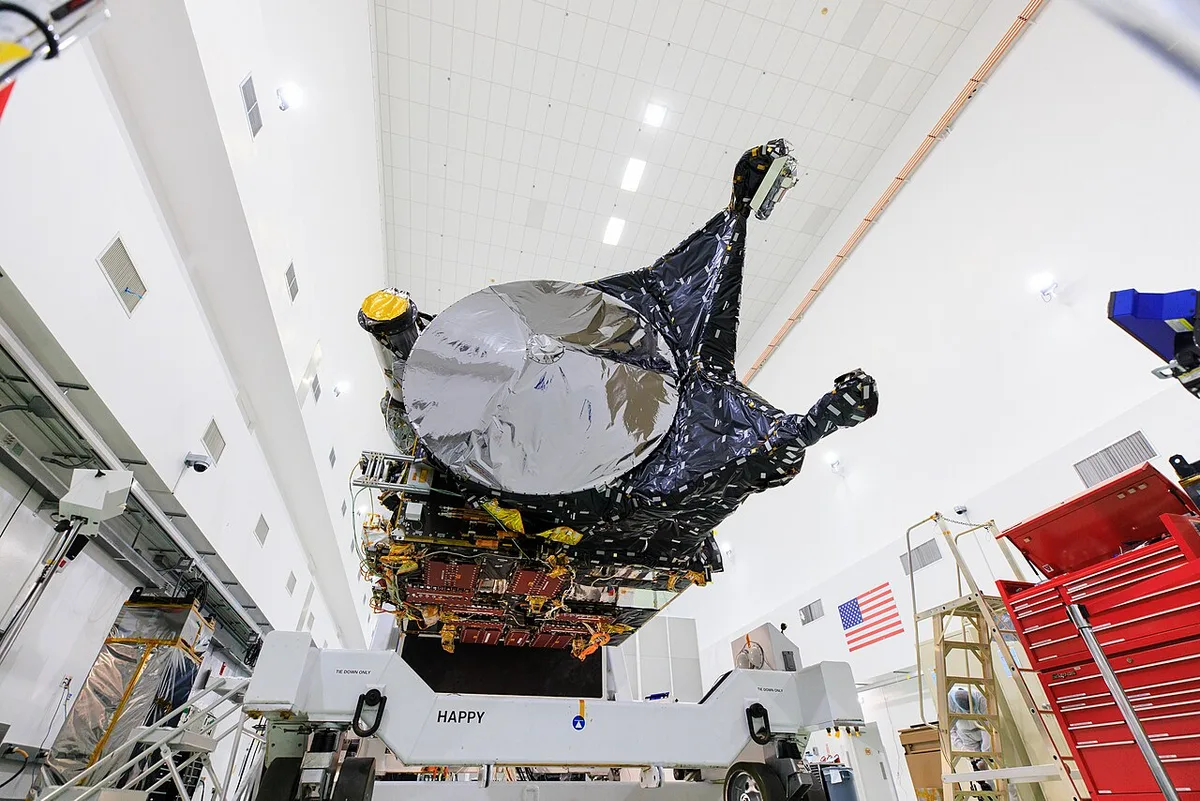
- NASA says the SSPICY spacecraft is not recoverable after loss of two-way communication.
- The reported problem concerns fault protection keeping the radio off; further internal details should not be invented.
- Safe states need a verified route back to useful observation and control.
The reported outcome
NASA stated on November 3 that the Starfish Space-operated SSPICY spacecraft was not recoverable after losing contact during commissioning. According to the agency, investigation identified a fault-protection issue that was erroneously keeping the radio turned off. The mission had established initial communication after launch but did not complete its intended demonstration. These are the reported facts; the public account does not justify inventing a specific software defect, assigning undocumented blame or claiming knowledge of the team’s internal troubleshooting.
The case provides a concrete starting point for a broader engineering question. A protective response can be locally understandable and still create a system-level failure if it prevents the information and commands needed for recovery.
Protection is a control decision
Fault protection monitors conditions and changes the system’s behavior when a problem is detected. It may conserve power, disable equipment or move the vehicle into a simpler operating mode. The objective is to keep an abnormal condition from becoming a more serious loss.
Every such response also changes what the vehicle can observe and do. Disabling a component can remove a source of damage while removing a capability needed elsewhere. The design therefore needs an account of both effects. A safe state should be evaluated as a whole operating condition, not merely as a list of equipment that has been turned off. The important question is what remains possible after the protective action occurs.
Communication has an unusual dependency role
A radio consumes resources like other equipment, but it also supports diagnosis and control from outside the spacecraft. Losing it can make otherwise manageable problems difficult to understand. This places communication in a special position within the recovery architecture.
That does not mean a radio should remain active under every conceivable condition. It means any decision to disable communication needs a carefully examined recovery path. The system may require autonomous criteria for restoring contact or an independent way to receive a limited command. The exact design depends on the vehicle, but the principle is general: protecting a resource and preserving a route to recovery should be considered together.
Commissioning is a mission phase of its own
After launch, a spacecraft’s systems are activated and checked in a sequence intended to establish readiness for regular operations. The vehicle may pass through configurations that differ from both its launch state and its eventual routine state. These transitions deserve testing because the relationships between subsystems can change along the way.
A component that works in a final nominal configuration may encounter a different set of conditions during startup. Timing, initialization and the order in which information becomes available can affect protective logic. Commissioning is therefore not simply waiting for a mission to begin. It is a demanding integration phase in which the real vehicle must establish the conditions assumed by its planned operations.
State transitions can hide contradictions
A system can have individually reasonable operating states and still have a flawed path between them. One state may require a condition that another state makes impossible to establish. If the transition logic assumes the condition will eventually appear, the vehicle can remain stuck.
A useful design review traces those dependencies explicitly. What event triggers a protective response? Which sensors and clocks remain available? What condition permits recovery? Can the protective action prevent that condition from being detected? These questions do not diagnose the SSPICY implementation; they describe a general method for examining recovery behavior. They help expose circular dependencies before the system has to resolve them without physical access.
Tests should include awkward combinations
Nominal demonstrations show that a sequence works when expected inputs arrive as planned. Fault-injection tests explore what happens when an input is missing, delayed or inconsistent. They are especially useful for protective software because unusual combinations are the conditions under which that software is expected to matter.
The test should examine the resulting vehicle state, not only whether a particular protection activated. A response may satisfy a local requirement while leaving the integrated spacecraft unable to progress. Recording what remained powered, what information was available and which transitions were possible makes the result more interpretable. Testing recovery is a distinct objective from testing the initial detection of a problem.
Observability limits what can be concluded
When communication stops, the engineering team has less direct evidence about the spacecraft’s current state. Investigators may combine earlier telemetry, ground tests and the known design to determine the most plausible explanation. The confidence and limits of that explanation should remain visible in public reporting.
Readers should avoid filling the gap with a detailed story that the source does not support. An official statement about a fault-protection issue establishes more than a vague rumor, but it does not necessarily publish every causal step. Responsible analysis can discuss the system lessons without pretending to possess internal logs or a completed independent investigation. Precision about evidence is especially important when explaining a failure.
A demonstration can fail and still improve later designs
Technology demonstrations accept uncertainty in order to evaluate new capabilities. An unsuccessful mission does not establish that the underlying goal is impossible, just as a successful launch does not establish that the goal has been achieved. The useful outcome depends partly on what evidence is recovered and how it changes subsequent engineering.
Lessons should be connected to concrete changes and tests when those become available. Broad claims about learning are less informative than a revised recovery requirement, an improved verification method or a demonstrated correction. Keeping the original objectives separate from later lessons preserves accountability while allowing the work to contribute to future systems.
For any remote machine, a useful review exercise is to draw the shortest path from each protective state back to confirmed two-way contact. Every step should identify the information and equipment it needs. The drawing can expose a missing dependency before a long list of individually plausible requirements does.
The practical lesson for technology readers
SSPICY’s reported loss is a reminder to ask how a remote system recovers, not only how it performs normally. Radios, power systems and protective logic form a web of dependencies. A capable payload cannot compensate for a vehicle that cannot reach an operable state.
NASA’s public account supports a focused conclusion: recovery paths deserve the same system-level attention as primary mission functions. It does not support speculation about unpublished implementation details. Future spacecraft demonstrations will be more informative when their readiness evidence includes what happens after a protection activates, how contact is preserved or restored and how the team verifies that the next state is genuinely recoverable.
Sources & further reading
Primary references inform the reporting. Our explanations, scenarios, and conclusions are editorial analysis; source statements are not independent test results.
Source publication or reference date: 2026-11-03.
See an error or an important update? Contact the editors.