- NASA reports launch of two student-built CubeSats to the space station; planned operations remain separate milestones.
- Open documentation can reduce duplicated work but does not remove verification responsibilities.
- A successful educational mission can produce useful engineering knowledge alongside its payload data.
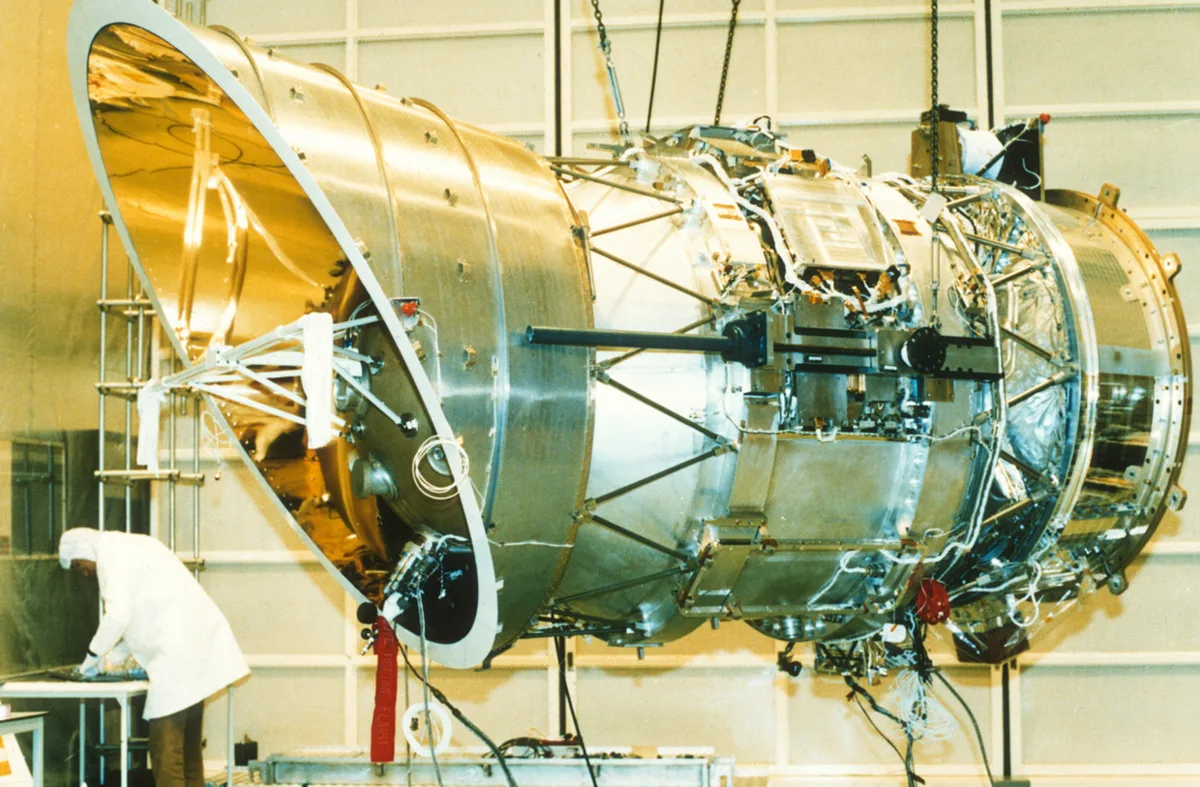
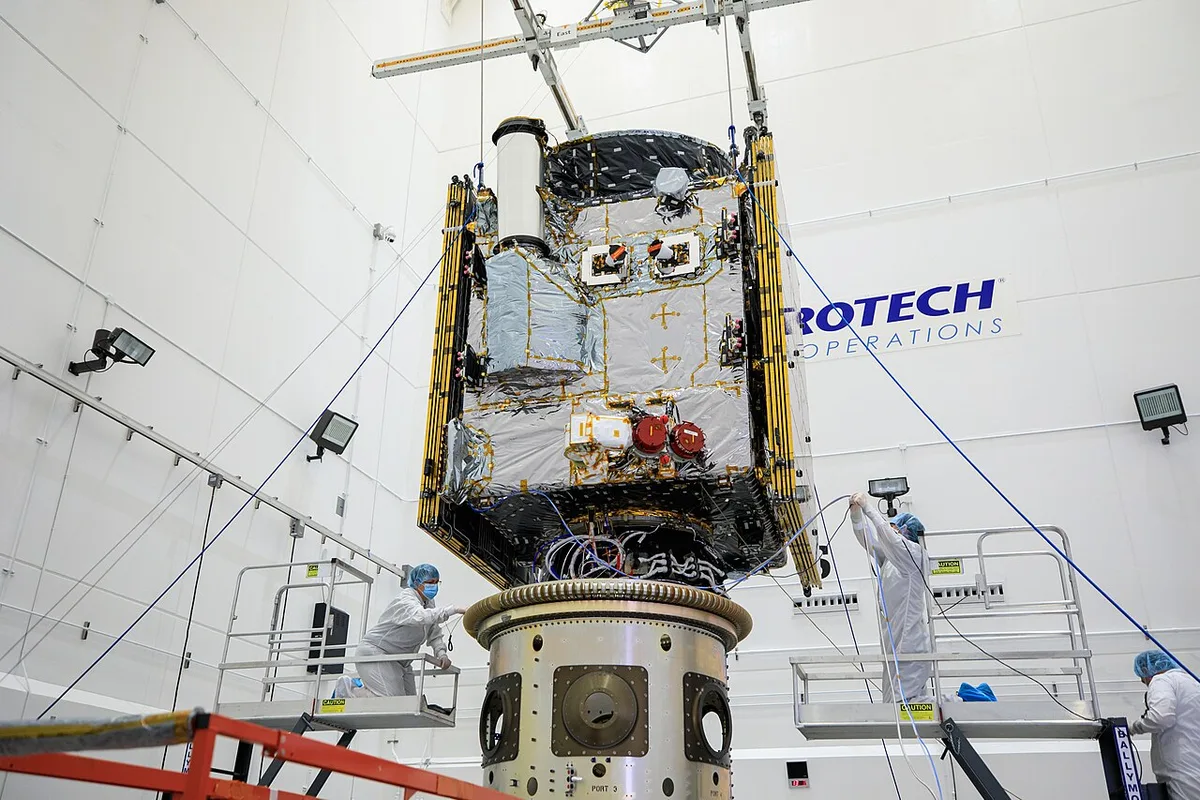
The spacecraft in the launch update
NASA reported on October 13 that two student-built CubeSats launched to the International Space Station as part of the PROVES collaboration. The article describes shared, openly documented spacecraft technology and planned communication experiments. Launch to the station is an achieved milestone in that account; deployment, communication and experimental results are subsequent steps. Treating these separately prevents a transportation success from being mistaken for completion of every mission objective.
The wider idea is a shared foundation for spacecraft development. Rather than asking each student team to reinvent every basic subsystem, an open kit can make earlier work inspectable and reusable. The next team’s experience then becomes part of the technology’s development.
A small spacecraft is still a complete spacecraft
Reducing size does not remove the need for power, communication, computing and structural integrity. The subsystems must share limited space and energy while tolerating the environment of launch and orbit. A simple external form can conceal a demanding integration problem.
This makes CubeSats useful educational platforms: the team cannot study each subsystem indefinitely without confronting their relationships. A radio needs energy and an antenna arrangement; a payload needs data handling and an operating schedule. Solving those interfaces teaches a form of engineering that a collection of isolated classroom demonstrations cannot fully reproduce. The spacecraft becomes a compact way to expose the consequences of decisions across the whole system.
What open design files can and cannot provide
Access to schematics, software and mechanical information can help a new team understand how an earlier system was intended to work. It can reduce repeated effort and make design review more transparent. It does not establish that a newly assembled unit behaves exactly like the previous one.
Components may have changed, fabrication can introduce differences and local assembly decisions matter. A kit therefore needs a verification plan as well as design files. The most useful documentation explains not only what to build, but how to determine whether it has been built correctly. Open hardware becomes much more valuable when knowledge about acceptance tests and known limitations travels with the drawings.
The interfaces deserve early attention
Power, data and mechanical connections can create failures that are not obvious when each subsystem is tested alone. A radio may work on a bench supply yet behave differently when it shares the spacecraft’s power system. A processor may run its own software correctly while exchanging data incorrectly with another board.
Early integration tests help reveal these interactions before access becomes difficult. A useful test sequence begins with understandable configurations and adds complexity deliberately. The record should identify which versions and connections were used. This helps a team reproduce a problem instead of repeatedly encountering a failure that disappears whenever the hardware is moved back to a simpler bench setup.
Launch survival is a different test from orbital function
A spacecraft must tolerate mechanical loads before it can perform its orbital tasks. Environmental testing provides evidence about those conditions, while functional tests establish whether the system still behaves as required afterward. Neither should be assumed from the other.
A vehicle can remain physically intact and still have an electrical or communication problem. Conversely, a successful prelaunch function check cannot show that every connection will survive the ride. This is why the order of testing matters. Checking operation before and after a representative exposure can reveal changes that a single final check would not explain. The process connects environmental qualification with actual mission behavior.
Communication requires a working chain on the ground too
A spacecraft radio is only one part of a communication link. Antennas, ground equipment, timing and operating procedures all influence whether useful data arrive. A planned radio experiment should therefore include verification of the ground-side path and a clear account of when contact is expected.
For student teams, rehearsing operations before deployment can expose missing steps in a controlled setting. Commands need to be understood, responses need to be recognized and unexpected behavior needs a documented interpretation. The most capable hardware provides limited educational value if its operators cannot distinguish a spacecraft problem from a ground-station configuration error. A complete mission plan includes both sides of the link.
Open protocols need interoperability tests
Publishing a communication protocol makes its rules available, but independently built implementations can still interpret those rules differently. Interoperability testing checks whether the participants actually exchange and process information as intended. This is particularly important when several spacecraft or institutions are involved.
Testing should include ordinary messages and less convenient cases such as delays, missing data or interrupted contact. A protocol’s behavior under those conditions determines whether the system can recover gracefully. A successful ideal exchange is a useful starting point, while a well-understood recovery sequence provides evidence of practical robustness. Sharing the results helps later participants avoid rediscovering the same integration problems.
Educational value should include the difficult parts
A mission can teach through a failed assumption if the team preserves enough evidence to understand it. Design changes, test failures and operational anomalies are valuable records. Hiding them behind a simple success narrative reduces the usefulness of an open project for the next group.
This does not mean every incomplete experiment should be declared successful. Objectives should remain clear, and achieved results should be distinguished from lessons learned. The benefit of a shared platform is that those lessons can improve later hardware and procedures. A second mission can then begin with a stronger foundation, turning documentation into a mechanism for cumulative engineering progress rather than a static archive.
A particularly useful shared record is a resolved anomaly: the observed symptom, competing explanations, the test that distinguished them and the final correction. That sequence teaches future teams how to reason about the platform, rather than only which setting to copy.
What to follow after the launch
The next useful evidence includes deployment status, verified contact and results from the stated experiments. Readers should ask which spacecraft configuration produced the data and whether the released documentation reflects what actually flew. A design repository that describes an earlier version can be helpful while still requiring careful interpretation.
NASA’s update highlights a practical model for expanding participation in space engineering: make a foundation available, then require each team to build and verify a real system. The open kit does not remove the hard work. It makes that work more inspectable and more reusable. Its lasting value will be measured partly by how much better the next team can understand, reproduce and improve the spacecraft it inherits.
Sources & further reading
Primary references inform the reporting. Our explanations, scenarios, and conclusions are editorial analysis; source statements are not independent test results.
Source publication or reference date: 2026-10-13.
See an error or an important update? Contact the editors.